History and culture
Moroccan hammam: a bathing world full of steam, ornaments, and traditions
Imagine a warm space filled with steam, echoes of voices, water poured from buckets, and walls covered with patterned ceramics. However, the Moroccan hammam is not just an attractive backdrop for travel photos. It is a social institution that has been part of urban life for centuries – and in many places, it still is.
Hammam as part of the neighbourhood
In traditional medinas, the historical cores of Moroccan cities, public hammams were essential facilities in the neighbourhood – alongside mosques, public fountains, schools, and communal bakeries. They often stood near mosques because cleanliness and ritual washing hold significant importance in Islam. In Fez, according to local tradition, the oven and hammam were built together to share heat from a single fire.
A fine example of such a complex is the Mouassine complex in Marrakech, which was commissioned by the Saadian sultan Abdallah al-Ghalib between 1562 and 1563. Alongside the mosque, it includes a madrasa, library, public fountain, and hammam.
Where the hammam originated
The roots of the hammam trace back to Roman baths. While the tradition of public baths gradually declined in the West, it continued in the Eastern Mediterranean and developed its own form in the Islamic world. Medieval authors described hammams alongside mosques, schools, and gardens as one of the adornments of a prosperous city. Baths were usually separated for men and women – either as separate buildings or at different visiting times.
How a visit takes place
The Moroccan hammam relies on steam and humid heat. Traditionally, it has several interconnected rooms with varying temperatures: a hot steam room, a warm room for washing, and a cooler room for rinsing off and cooling down before leaving. The body is covered with black soap savon beldi – a gel-like soap made from olives – which is left to act for a few minutes. This is followed by a thorough scrubbing with a kessa glove, often performed by the hammam staff. The tradition also includes ghassoul clay, which is used for body wraps or washing hair.
Locals bring their own supplies to the neighbourhood hammam: a bucket, a watering container, a towel, soap, and a glove. Men and women bathe separately. Some hammams have separate entrances, while others alternate between men and women according to hours or days. Hotel and private hammams operate more like a service – guests often remain alone with the staff. Therefore, it is incorrect to confuse every hammam with hotel wellness.
Why we remember their interiors
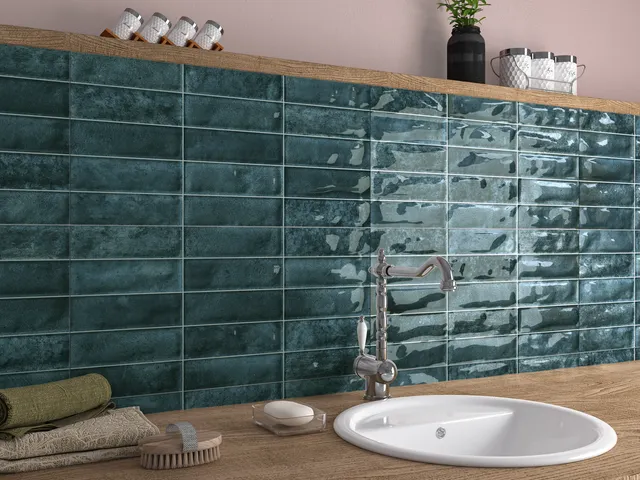
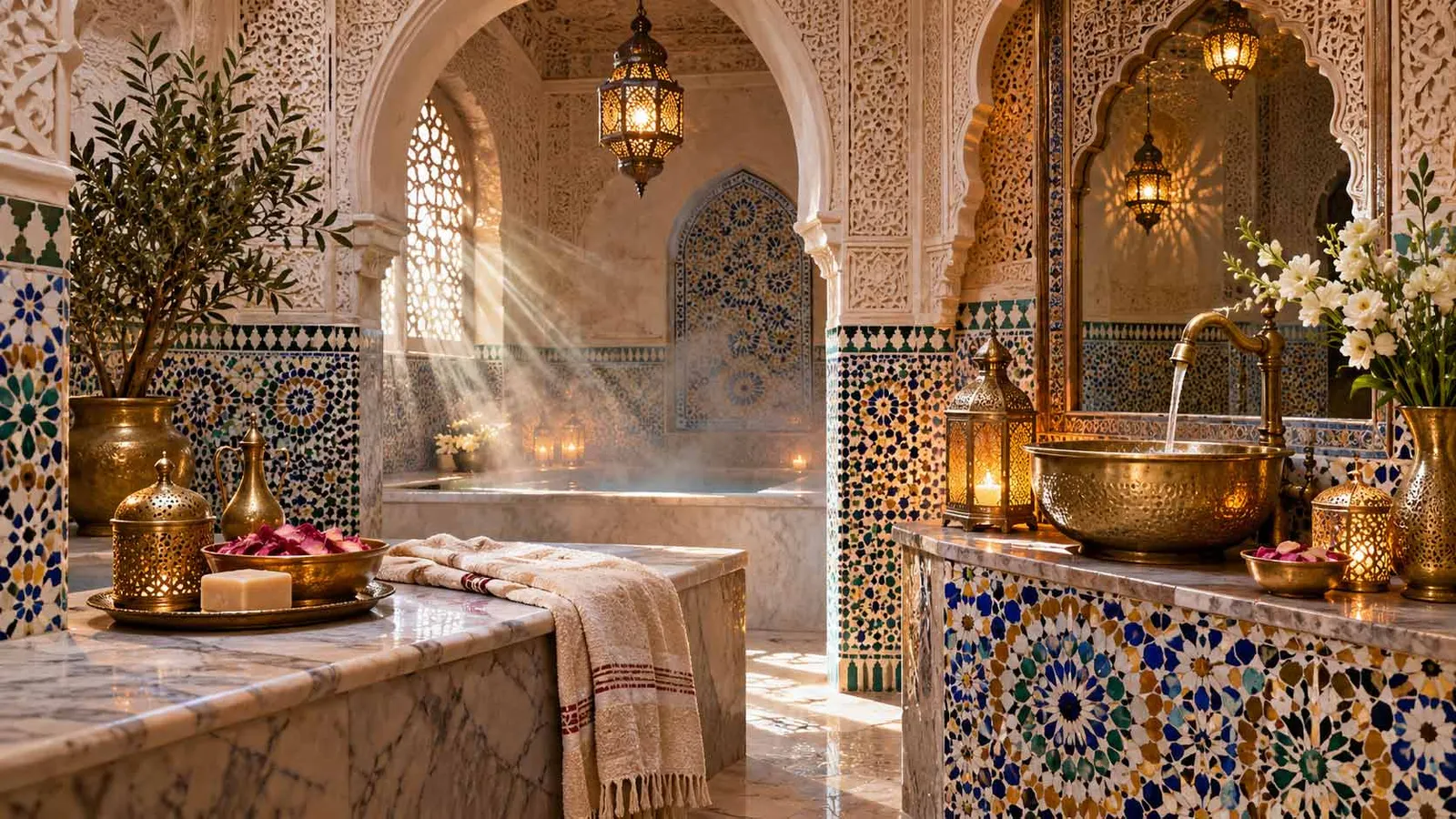
Arches, vaults, geometric patterns and ceramic mosaics create a unique atmosphere. A characteristic material is tadelakt – a lime plaster from the Marrakech area, which is compacted and polished with a smooth stone and treated with soap. This creates a smooth, subtly glossy and water-resistant surface without grout joints, traditionally used in hammams, water tanks, or fountains. The second symbol is zellige: a mosaic made from hand-cut pieces of glazed terracotta, arranged in geometric patterns.
Both materials are beautiful but demanding. Tadelakt requires an experienced craftsman and regular care with soap; over time, fine hairline cracks may appear, but they do not necessarily compromise its water resistance. Zellige, on the other hand, is often intentionally irregular in colour and size – and that is part of its charm, not a flaw.
A traditional neighbourhood hammam can be visually much simpler than design photographs from luxury resorts.
Colour without rules
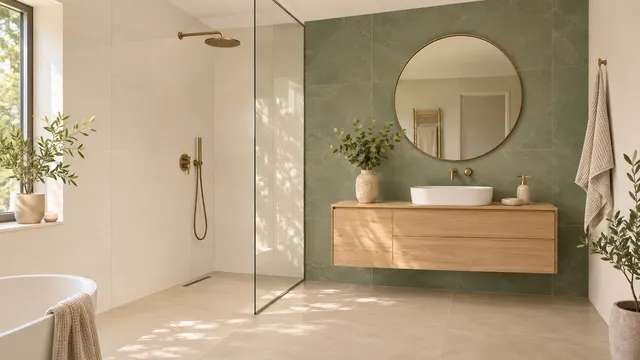
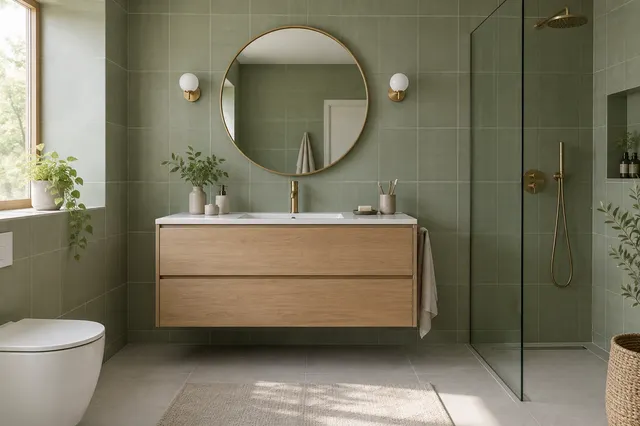
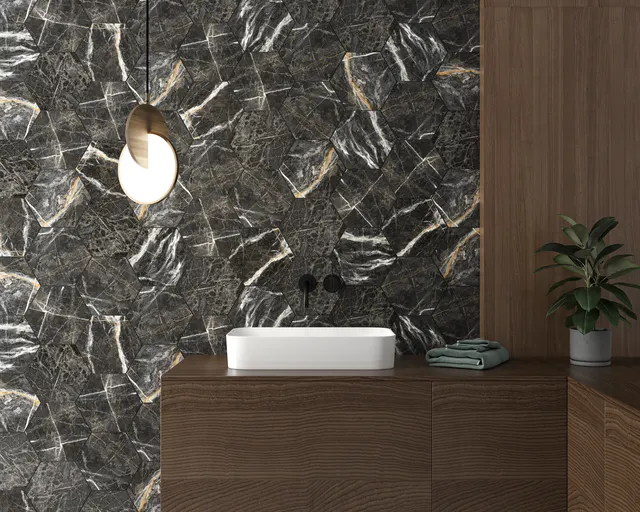
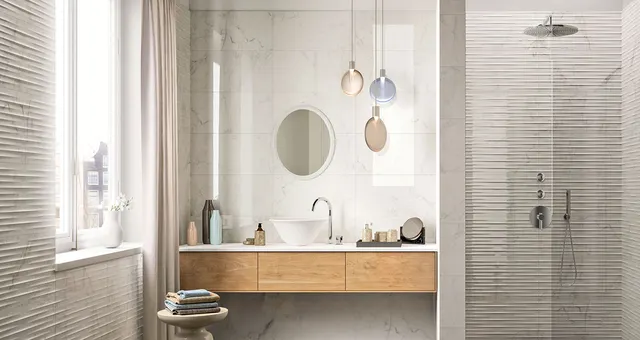
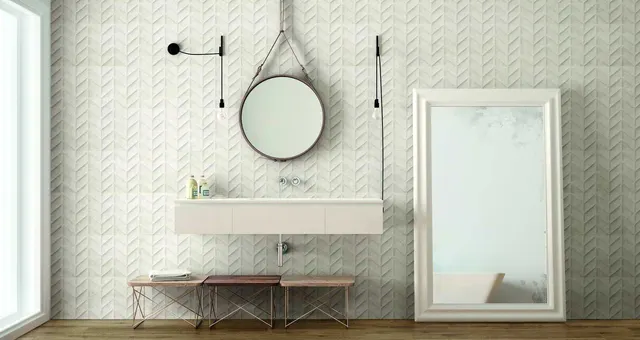
Blue, green, white or earthy tones appear in various combinations in Moroccan architecture. What looks rich in a photograph can feel overcrowded in an ordinary bathroom. One ornamental area – a wall behind the sink or a strip of wall tiles in the shower – is often enough to evoke a North African atmosphere. The rest of the space can remain calm: smooth plaster, warm light, and one brass or copper detail.
What remains after a visit
The hammam reminds us that bathing can also be a cultural experience and shared time. A beautiful photograph is just the beginning of the story; its essence lies in the people, their customs, and the craftsmanship passed down through generations.
What would it look like in your home? Design your bathroom in 3D for free or have a custom visualisation prepared at TGB Kúpeľne studio in Senec.
Sources and further information
- Culture Trip: A history of the hammam in Moroccotheculturetrip.com
- Culture Trip: The best hammams in Marrakech (five institutions of the quarter)theculturetrip.com
- Barceló: Hammam in Fez (oven and hammam together)barcelo.com
- Wikipedia: Mouassine Mosqueen.wikipedia.org
- The Metropolitan Museum of Art: Baths and Bathing Culture in the Middle East: The Hammammetmuseum.org
- Lonely Planet: How to hammam in Marrakeshlonelyplanet.com
- Frommer's: Day spas in Marrakech (ghassoul, separation)frommers.com
- Moon Travel Guides: Visiting a hammam (what to bring)moon.com
- TravelLocal: A complete guide to Moroccan hammamstravellocal.com
- Fratini, Rescic, Magrini (CNR, 2018): From the stone to the lime for Tadelaktiris.cnr.it
- Culture Trip: Moroccan tadelakt walls (cracks, maintenance)theculturetrip.com
- Mosaic Workshop: Mosaics of Marrakesh (cutting zellige)mosaicworkshop.com
- Designshop: Zellige (variability of dimensions and glaze)designshop.com