Travel and living
Bathrooms in Croatia: why we feel the atmosphere of a holiday in them
A bathroom with a view of the sea has a special power – even an ordinary morning in it feels like a holiday. However, the Croatian coast does not offer one universal style. A bathroom in an old stone house in Dalmatia looks different from one in a new apartment and different again in a luxury villa. They share more in common than meets the eye: local stone, bright sun, and the art of handling shadows.
When the atmosphere is determined by the country
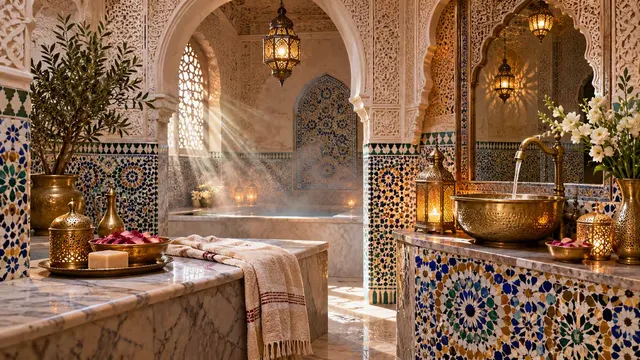
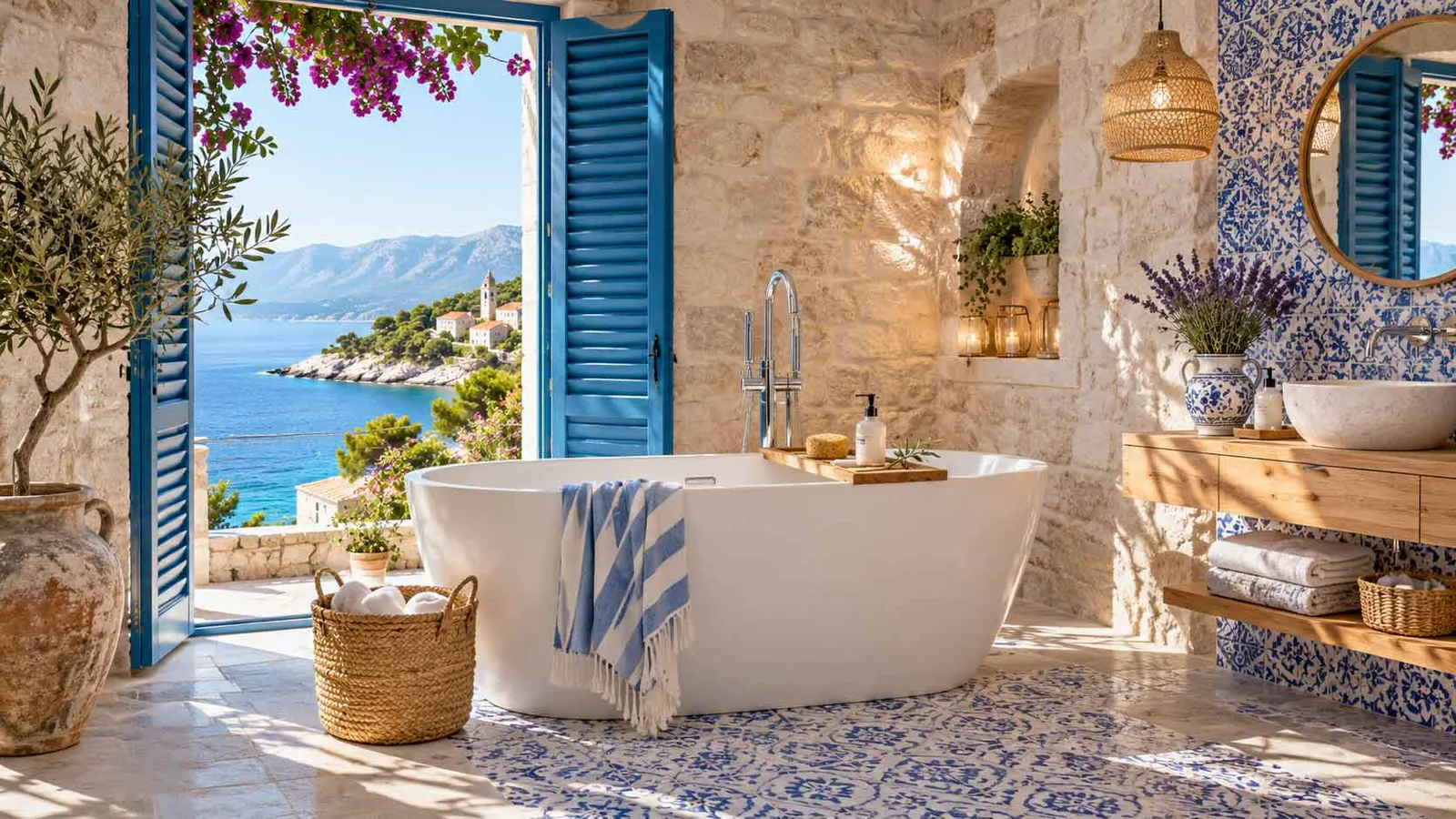
Dalmatia and the Adriatic islands literally stand on stone. The traditional architecture of the region is based on stone as the main building material, while wood plays a more supplementary role. Light plaster, stone surfaces, wooden details, and muted sandy shades therefore do not appear as fashionable decor in local interiors, but as a natural continuation of the alleys of ancient towns, rocky coastlines, and intense daylight.
Stone also shapes the landscape outside the window. Along the coast and inland, dry stone walls, known as suhozidi in Croatian, stretch out, built without mortar from carefully selected and arranged stones. They delineated fields and plots and protected against the bura wind. The art of their construction was inscribed by UNESCO in 2018 on the representative list of the intangible cultural heritage of humanity – Croatia shares this with seven other countries, including Slovenia, Italy, and Greece.
However, this does not mean that all Croatian bathrooms are the same. The most interesting encounters often occur between an old stone house and a contemporary, minimalist interior.
Stone with its own name: Brač Island
If Dalmatian stone has a star, it is the light limestone from Brač Island. It has been quarried since Roman times, and according to the tourist board of the Split-Dalmatia County, it was used to build, for example, Diocletian's Palace in Split and the Cathedral of St. James in Šibenik. The craft is still maintained by the stonemasonry school in the port town of Pučišća, which has been teaching since 1909.
Sea outside the window, sun behind the shutters
There is plenty of sun on the coast. Hvar Island is known as the sunniest in Croatia, with over 2,700 hours of sunshine per year. Traditional houses responded with thick stone walls, smaller windows, and wooden shutters. Full shutters, known as škure, protect against both sun and wind, while shutters with movable slats (grilje) allow air and diffused light to enter. The pleasant dimness and coolness inside were not a lack but an intention.
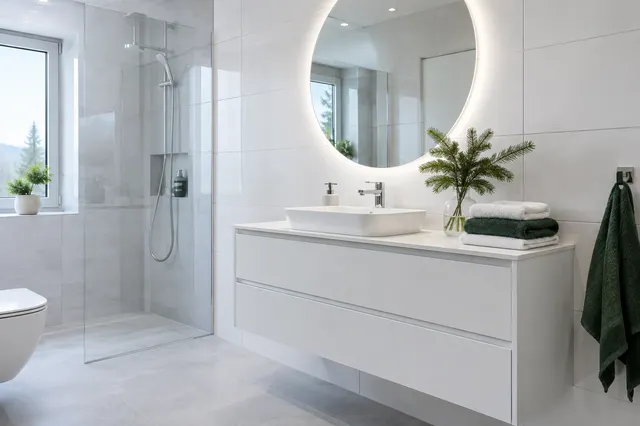
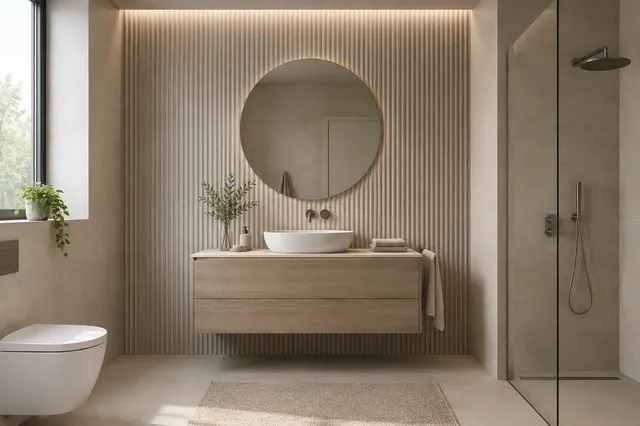
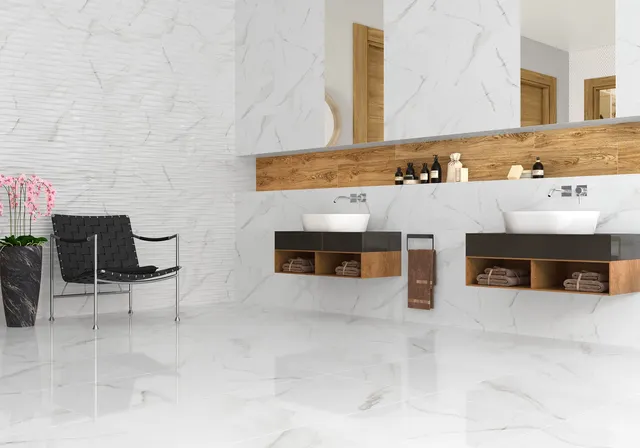
Large glass windows with a bathtub facing the sea, as seen in photographs of villas and hotels, are therefore more of a contemporary holiday ideal than a local tradition. Simple furnishings allow the surrounding landscape to shine. In a city apartment without a sea horizon, a similar feeling can be created with warm lighting, natural textures, and fewer decorations – as well as through the play of light that enters the room through the slats.
What to bring to Slovakia
Instead of copying an entire seaside villa, often just a few things are enough:
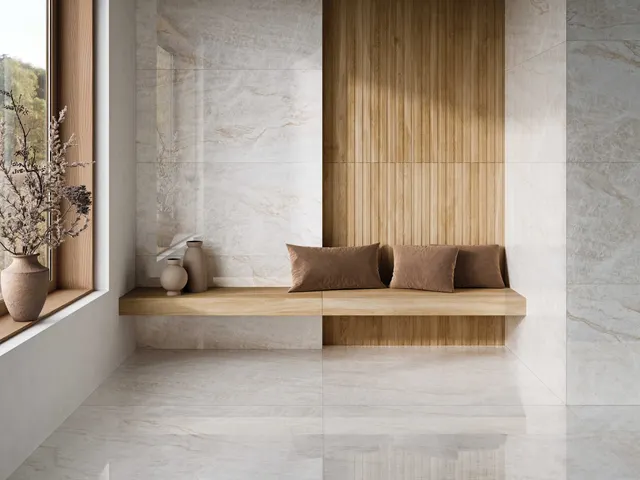
- a light, warm colour palette inspired by limestone and sand,
- ceramics with a handmade, slightly irregular surface,
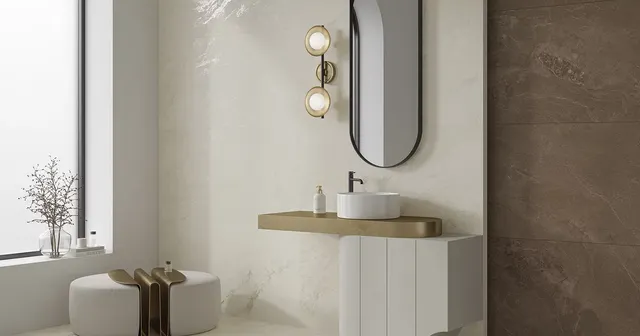
- one striking natural detail – a stone sink, a wooden shelf, or an olive tree in a pot,
- muted, diffused light instead of harsh ceiling lighting.
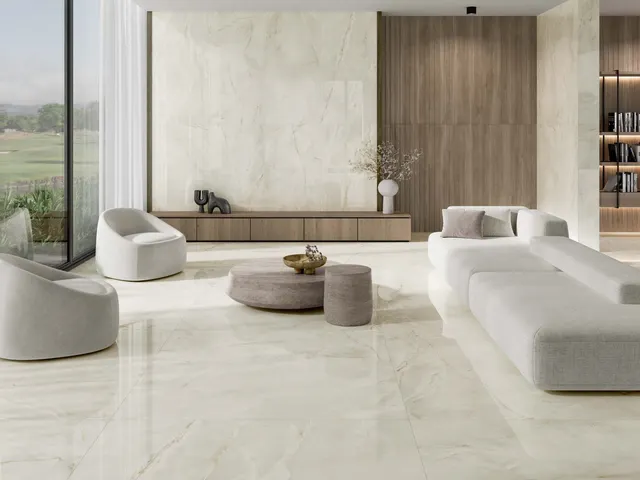
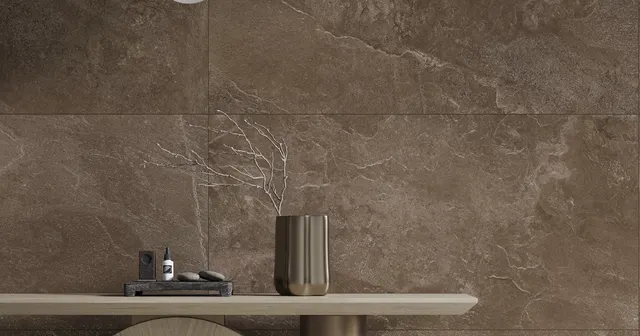
Caution is advisable with materials. Limestone, and thus Brač stone, is a natural stone based on calcium, making it sensitive to acids. Vinegar, lemon juice, or acidic limescale removers can permanently dull its surface. Sealing does reduce water absorption and the risk of stains, but it does not protect the stone from this reaction. Those who want natural limestone in their bathroom should expect pH-neutral maintenance; those who do not want it should rather opt for ceramic wall tiles with a stone look.
It would be equally unreasonable to use moisture-sensitive wood without appropriate finishing or to adopt coastal open solutions regardless of our climate. What works by the sea in July may not withstand a Slovak January.
In conclusion: a piece of the countryside in the bathroom
The strongest holiday impression often comes not from expensive furnishings, but from the harmony of light, materials, and space. Croatia reminds us that a bathroom can be a small piece of the countryside – even if it is hundreds of kilometres away from the sea.
What would it look like in your home? Design your bathroom in 3D for free or have a custom visualisation prepared at TGB Kúpeľne studio in Senec.
Sources and further information
- Kapić, M. (2023): Development of the Dalmatian Traditional House, TU Wienrepositum.tuwien.at
- Cyprus Institute: entry "Art of dry stone walling" into UNESCO (2018)cyi.ac.cy
- Total Croatia News: Dry stone walling – UNESCO (2018)total-croatia-news.com
- Wikipedia: Dry stone (suhozid a vietor bura)en.wikipedia.org
- Tourist Board of Split-Dalmatia County: Pučišća and Brač Stonedalmatia.hr
- Tourist Board of Split-Dalmatia County: Hvar (2,700 hours of sunshine)dalmatia.hr
- Lonely Planet: Guide to Hvarlonelyplanet.com
- Tricia A. Mitchell: Stonemason School Pučišća (established 1909)triciaannemitchell.com
- MedGulets: Pučišća (school since 1909)blog.medgulets.com
- Virginia History & Culture (S. McLaurin, White House Historical Association): A House Built of Virginia Stonevirginiahistory.org
- White House Historical Association: Aquia sandstone forms the outer wallsshop.whitehousehistory.org
- Wikipedia: Aquia Creeken.wikipedia.org
- Go Hvar: Dalmatian shutters – škure a griljegohvarblog.com
- Arciform: Natural stone tile care guide (limestone and acids)arciform.com
- Walls and Floors: How to clean natural stone and travertine tileswallsandfloors.co.uk