Maintenance and repairs
Odour from the drain in the bathroom: how to determine the cause step by step
When there is a sewage smell in the bathroom, the cause is usually simple: a dried or clogged odour trap, a loose joint or negative pressure in the pipes. To avoid cleaning blindly, first determine where and when the smell occurs. A simple test one drain at a time will help. If the whole flat or house smells, the problem is more likely in the soil stack or in the ventilation of the sewage system.
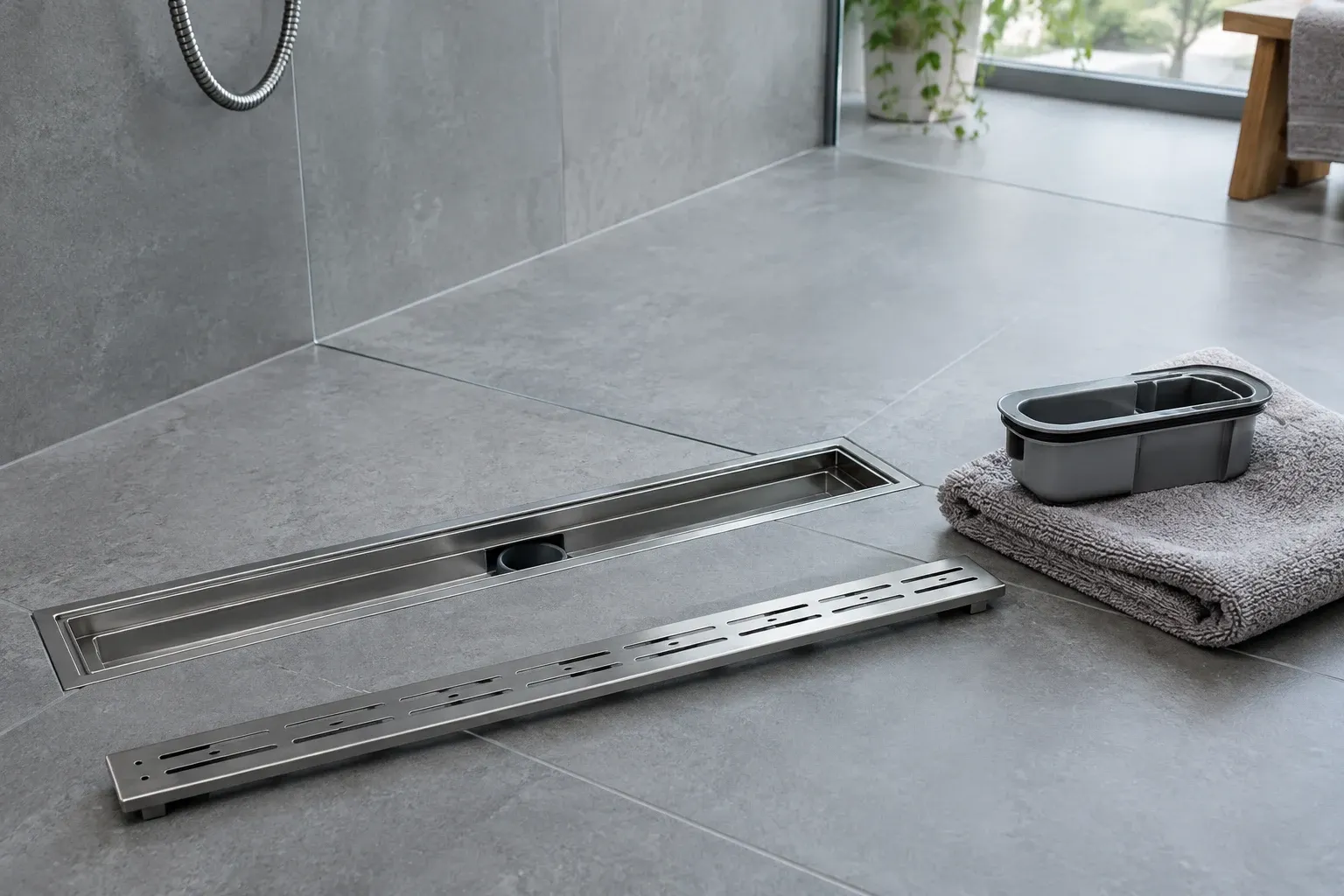
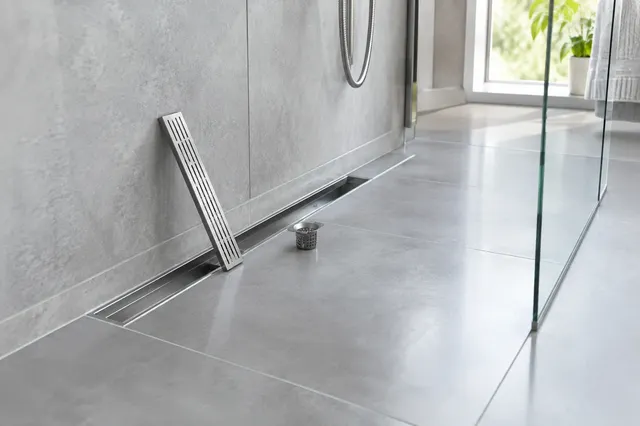
Illustrative image: linear shower drain with removable grate and odour trap on a towel
An overview of the most common causes of odours and their solutions can be found in the article Blocked drain in the section Odour from the drain. Here we go a step further: how to find the cause when it is not clear, what types of traps exist, and what to do when the whole flat or house smells.
First, determine where and when the smell is coming from
Before you start dismantling waste traps, answer a few questions. Each answer narrows down the search.
| Question | What does it indicate |
|---|---|
| Does it smell only at one drain? | problem in that drain – trap, waste trap, connection |
| Does it smell throughout the flat or in several places? | soil stack, ventilation of sewage, shared pipe |
| After a holiday or in an unused bathroom? | dried water trap |
| After flushing the WC or draining the bath, does the waste trap gurgle? | vacuum in the pipe sucks water from the trap |
| Still, even when there is water in the waste trap? | deposits in the waste trap or a leaky connection |
| In windy conditions or with a change in weather? | ventilation of sewage or soil stack |
| Musty smell, not sewage? | mould, moisture, leaks – not waste |
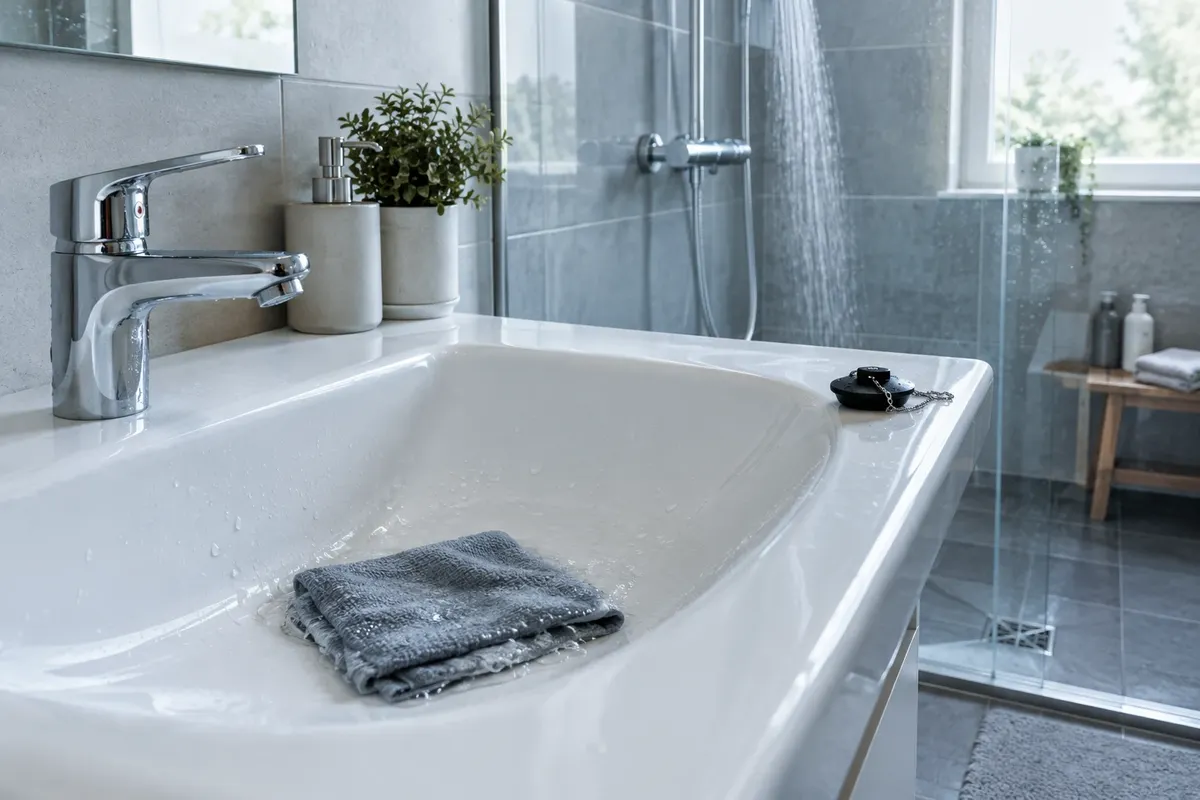
Test one drain at a time
- Pour water down all drains – sink, shower, bath, bidet, floor drain, and washing machine waste. Let the water run for a while to refill the traps.
- Ventilate and wait. If the smell disappears, the cause was a dried trap.
- If the smell remains, cover the drains one by one – with a plug or wet cloth. When the smell weakens after covering one of the drains, you have found the source.
- Smell the overflows of the sink and bath – the overflow channel can become clogged and smell, even when the waste trap is clean.
- Check the connections – waste trap nuts, the sleeve at the WC, and the connection of the floor drain with the tiles. Wipe them with a dry paper towel.
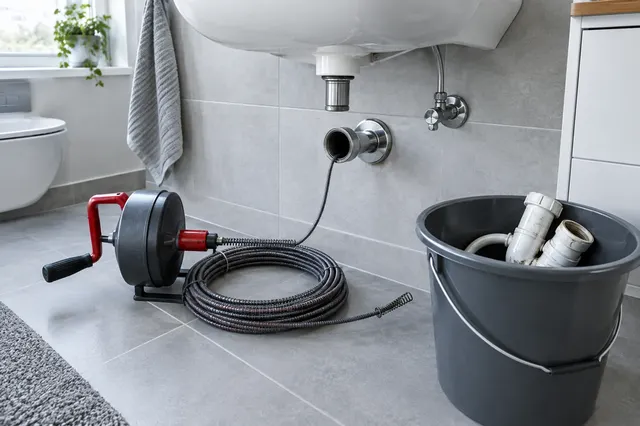
How to dismantle and clean the waste trap is described in the articles Waste trap and Drain cleaner and cleaning spiral.
Types of traps
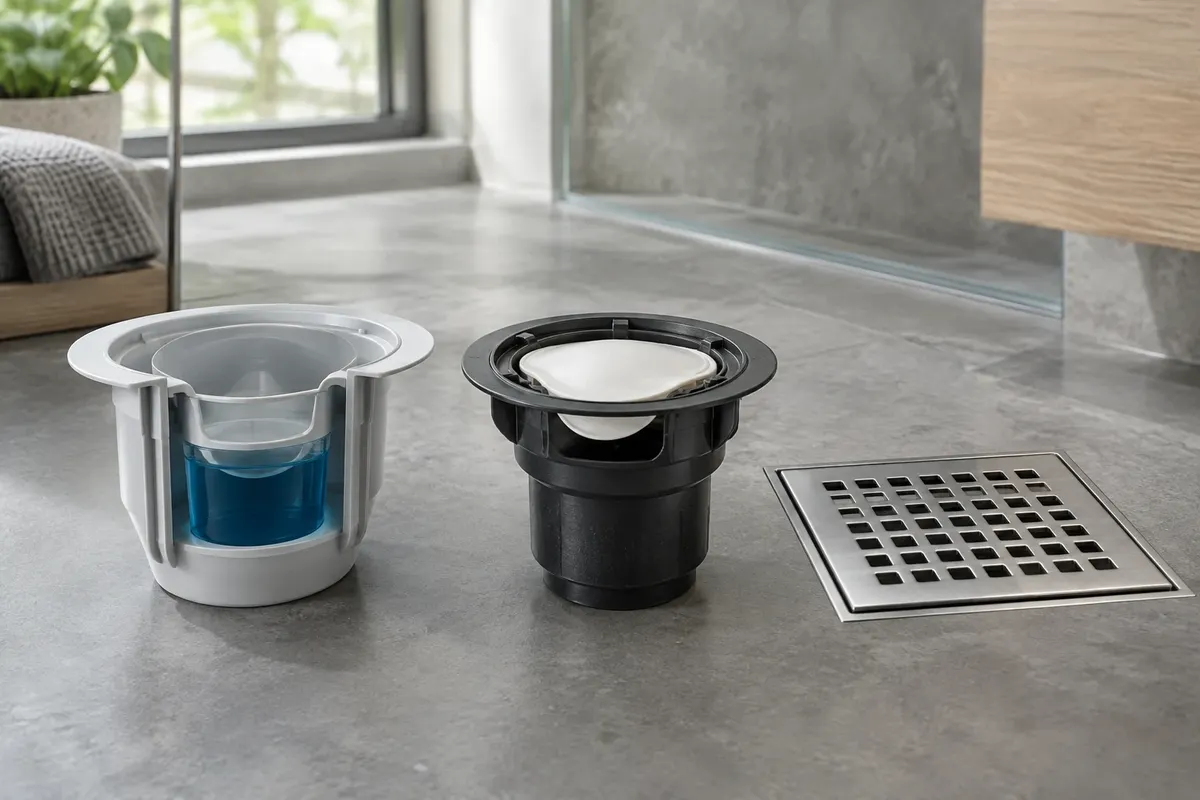
The trap retains odours from the sewage. We distinguish three types, each describing a different part of the standard for floor drains.
| Trap | How it works | When it suits |
|---|---|---|
| water, at least 50 mm (EN 1253-1) | water in the bend of the waste trap or drain | commonly used showers and sinks |
| water, less than 50 mm (EN 1253-6) | lower water seal due to small construction height | renovations where there is no space – dries out faster |
| mechanical – dry (EN 1253-7) | flap or membrane opened by water | rarely used drains, unheated spaces |
| water with mechanical (EN 1253-8) | water and additionally a flap | laundries, boiler rooms, cellars, infrequently used showers |
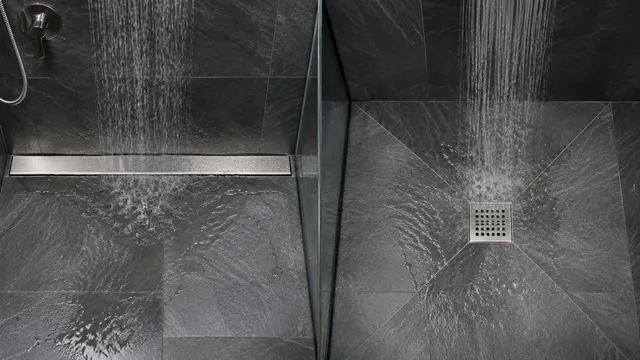
For example, the standard water trap Alcadrain has a height of 51 mm, while the combined trap SMART is 30 mm. Geberit states that the shower element with a wall drain has a height of 30 mm, noting that this differs from the requirements of EN 1253. For a low trap in a shower that you do not use often, pour water into it more frequently or supplement it with a mechanical trap if offered by the manufacturer.
Odour after flushing: negative pressure and ventilation
When water from the WC or bath drains rapidly, negative pressure is created in the pipes, sucking water from the trap of another drain. A vent valve according to EN 12380 can help – it allows air into the pipe under negative pressure and seals under positive pressure. The design and installation are the work of a plumber; details are in the article Blocked drain.
In a family house, the sewage system should be ventilated according to the project, most often with a pipe above the roof. If the ventilation pipe gets blocked by leaves, a nest, or ice, traps may start to be sucked dry, and odours may appear even at the windows. Leave the inspection to a plumber – working on the roof requires safe access.
Odour throughout the flat or house
- Apartment building – odour in multiple places or simultaneously at neighbours indicates a problem in the soil stack or its ventilation. This is addressed by the building manager.
- Family house – check the inspection chamber and the ventilation of the sewage system. Drain cleaning companies perform camera inspections of the pipes, and some also conduct smoke tightness tests.
- Cottage with a septic tank or treatment plant – odour may come from their ventilation or a full septic tank. The rules for septic tanks are described in the article WC at the cottage and in the garden.
Odour not coming from the drain
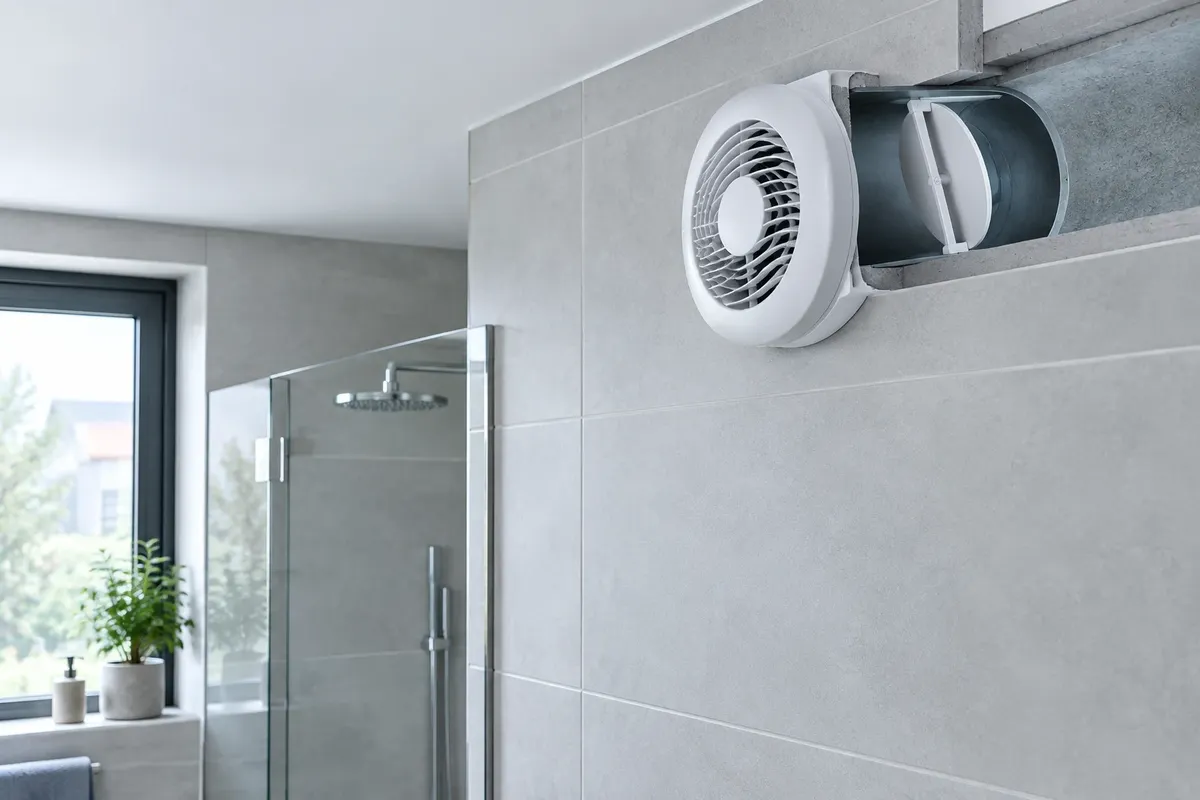
- Odour from neighbours' ventilation – in a prefab block of flats with a shared shaft, air can flow into the bathroom from the ventilation pipe. A backdraft damper behind the fan can help – more in the article Bathroom fan.
- Mould in silicone, behind the bath or in corners – musty smell. See Mould in the bathroom.
- Leakage under the floor tiles or behind the wall tiles – a damp wall or floor smells even when the drains are fine.
- Hot water – if only the water from the hot tap smells, not the drain, the cause may be in the boiler. This will be assessed by service; more in the article Boiler maintenance.
How to prevent odours
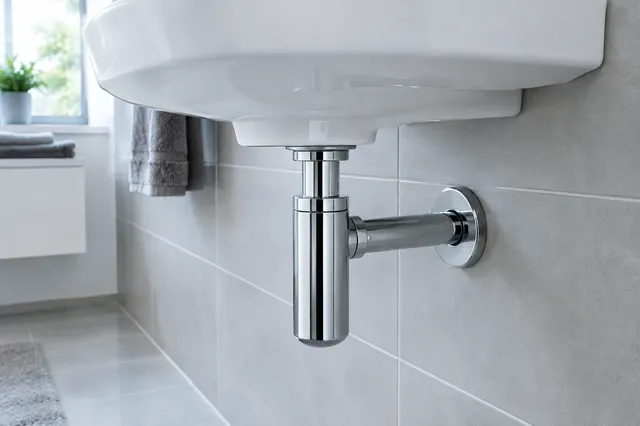
Before a long holiday, pour water into all drains and floor drains, and let them run for a while upon your return. Clean traps and channel traps regularly to prevent build-up. During renovations, consider drains that will be used infrequently – laundry room, technical room, second shower. A dry or combined trap is suitable for these. It is cheaper to replace an old or leaky siphon than to search for a fault – you can find them in the e-shop in the category Washbasin siphons. More guides are in the section Maintenance and repairs of the bathroom.
Common mistakes
- Chemicals for odours – drain cleaner will not refill a dried trap; water is sufficient.
- Air freshener instead of finding the cause – the smell will return, and a leaky joint may leak.
- Forgotten trap insert after cleaning the linear shower drain.
- Low trap in an infrequently used shower without regular refilling.
- Powerful fan for a shared shaft without agreement with the manager – odours and moisture may push towards neighbours.
Sources: STN EN 1253-1 (floor drains with a water seal of at least 50 mm), EN 1253-6 (less than 50 mm), EN 1253-7 (mechanical seal), EN 1253-8 (water and mechanical seal), STN EN 12380 (vent valves), technical sheets from Alcadrain (51 mm, SMART 30 mm) and Geberit (shower element 30 mm differing from EN 1253); our articles Blocked drain, Siphon, and Bathroom fan.
Terms in the dictionary: Siphon · Soil stack · Floor drain (point drain) · Overflow · Construction height of the drain · Sanitary silicone
Frequently Asked Questions
Why does the drain smell in the bathroom?
Most often due to a dried or clogged odour trap, a loose joint, a film in the drain or negative pressure in the pipes after flushing. If the whole flat smells, the cause is more likely in the soil stack.
How do I find out which drain smells?
Pour water down all drains and then cover them one by one with a plug or wet cloth. When the smell weakens after covering one, you’ve found it. Also sniff the drains of the sink and bath.
The shower that we don’t use smells. What to do?
The water in the trap has dried out. Pour water into it and do this regularly. For rarely used drains, a dry or combined odour trap can help.
Why does the waste trap bubble after flushing the toilet?
Draining water creates negative pressure in the pipes, which sucks water out of the waste trap. A vent valve according to EN 12380 or ventilation adjustment will help – a plumber can assess this.
What to do when the whole flat smells?
In a block of flats, contact the manager – the cause is usually in the soil stack or its ventilation. In a family house, check the inspection shaft and the ventilation of the sewage system, or have a camera inspection done.
Can the smell in the bathroom come from ventilation?
Yes. In a prefab block of flats with a shared shaft, air from neighbours can flow into the bathroom. A backdraft damper behind the fan will help.
AI Advisor
Have a question on the topic? Ask the advisor – they will respond based on TGB Kúpeľne articles.
AI advisor – answers are generated by artificial intelligence from TGB Kúpeľne articles and may contain errors.
Bathroom design
These are tips. We will draw your bathroom for you.
In the 3D bathroom planner, you can design your bathroom yourself for free. We will prepare a custom visualisation with specific wall tiles for you in the studio – free of charge with your purchase.
Online design for free Custom visualisation
TGB Kúpeľne Studio · Bratislavská 71, Senec · Map