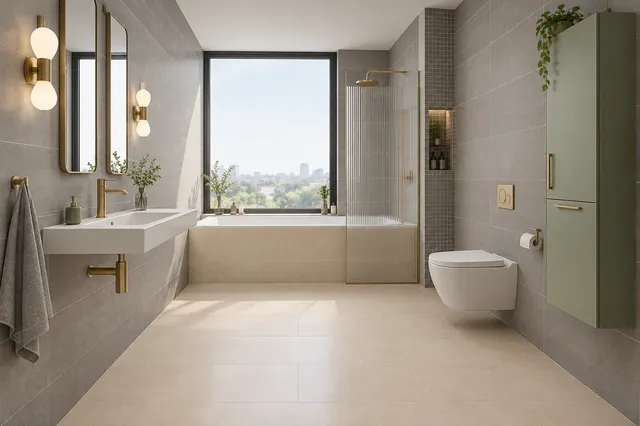
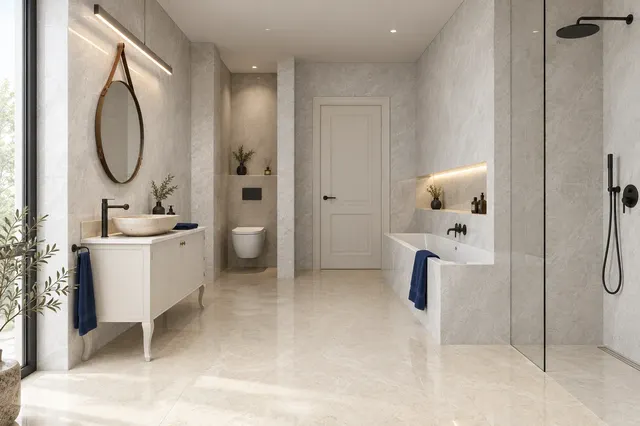
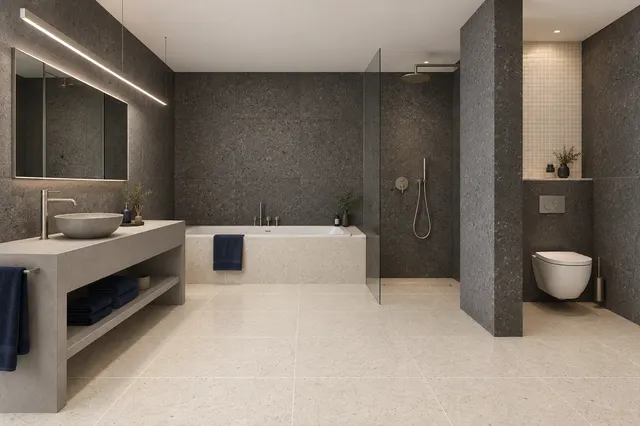
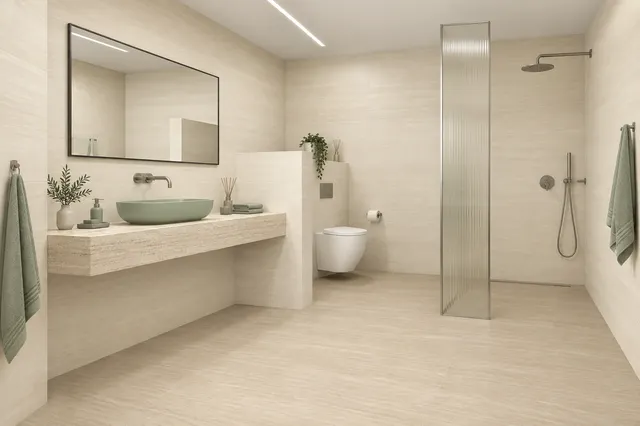
Small bathrooms and types of bathrooms
WC in the cottage and garden: flushing, dry (composting) or chemical
If the cottage has water and sewerage, you can have a standard flushing WC – but it must be protected from frost. Without sewerage, you have three options: flushing WC with a cesspit or home treatment plant, dry (composting or separating) WC without water, or portable chemical WC. It depends on whether you have water, how often you use the cottage, and where the waste will go.
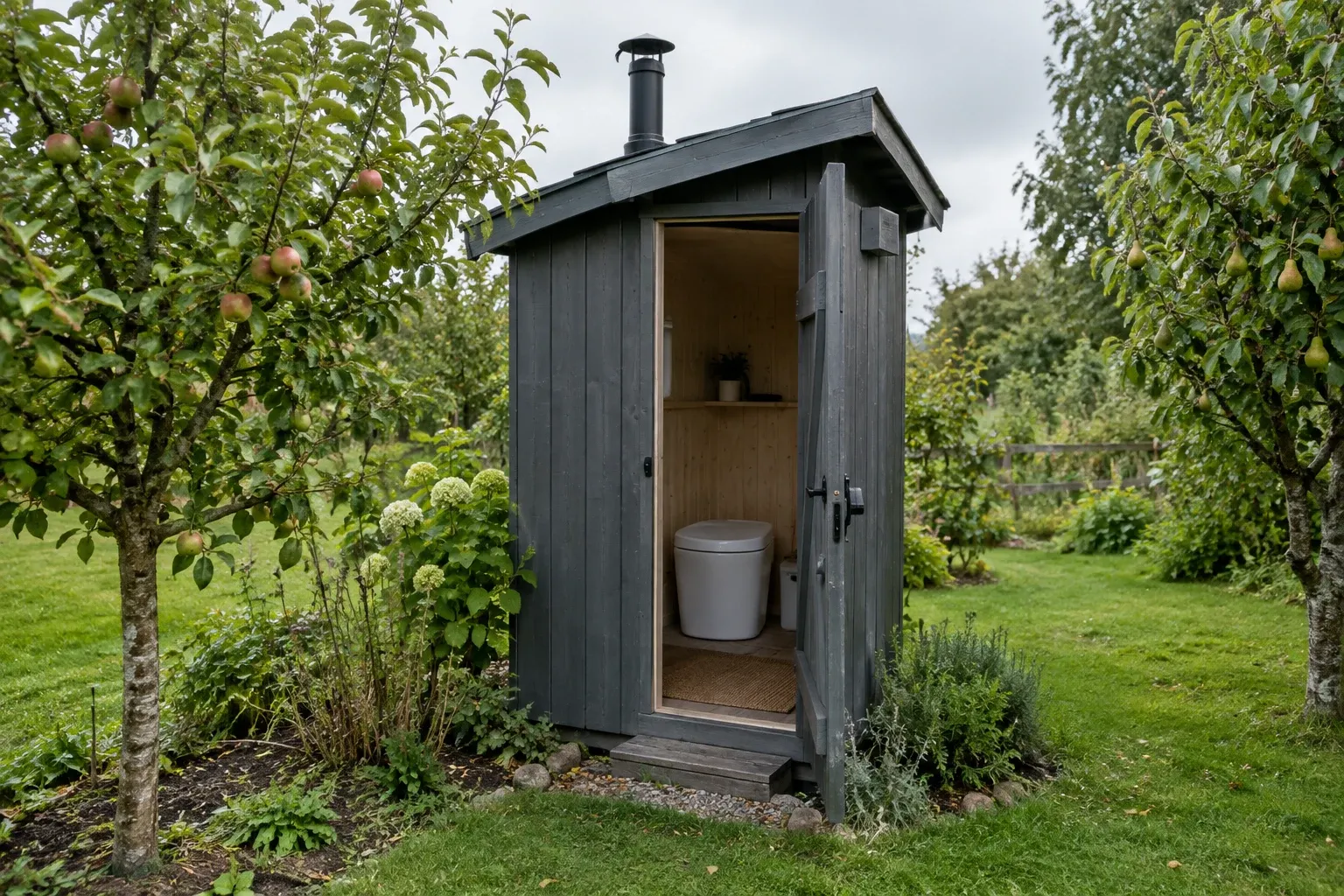
Illustrative image: wooden garden shed with small WC, open doors, grass and trees
In a cottage, garden settlement or by a garden house, the question of a WC is more practical than in a flat: is there water, where will the waste go, and what happens in winter? We describe the entire bathroom in a cottage – water, heating, humidity, and winterizing – in the article Bathroom in a cottage and summer house. Here we compare the WCs themselves.
Overview: which WC when
First, clarify whether you have water and where the waste can go. Based on that, the selection narrows down to one or two options.
| Type of WC | Water | Where does the waste go | When it suits |
|---|---|---|---|
| flushing WC to the sewer | yes | public sewer | cottage with connection |
| flushing WC with a cesspit | yes | watertight cesspit, emptied | cottage without sewer, used more frequently |
| flushing WC with a domestic treatment plant | yes | wastewater treatment plant | cottage where people live regularly |
| dry composting or separation WC | no | container, compost | garden, seasonal cottage without water |
| chemical portable WC | a bit for flushing | cartridge that is emptied | garden, temporary solution |
Flushing WC in a cottage
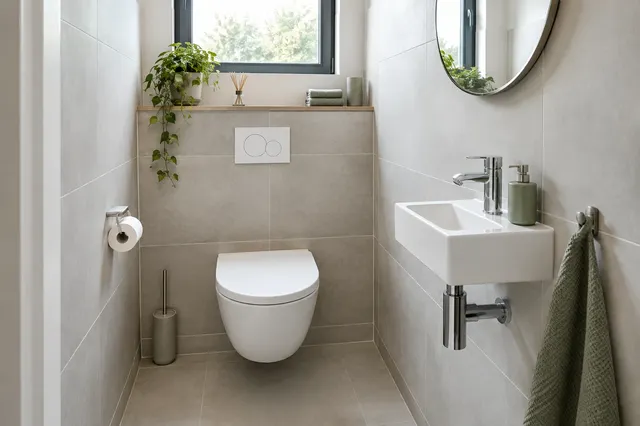
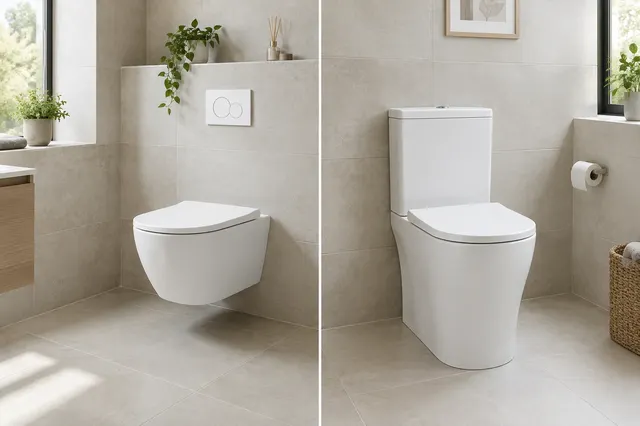
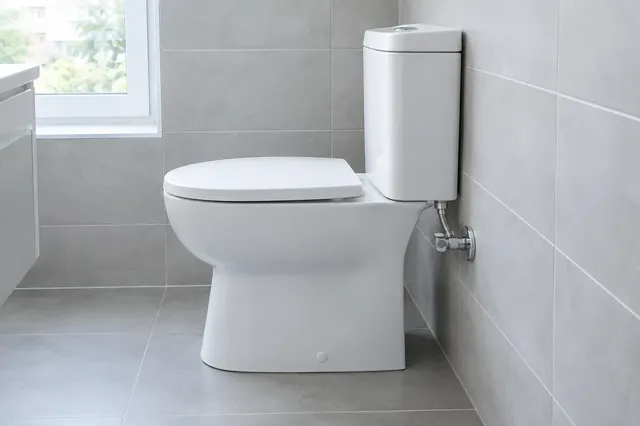
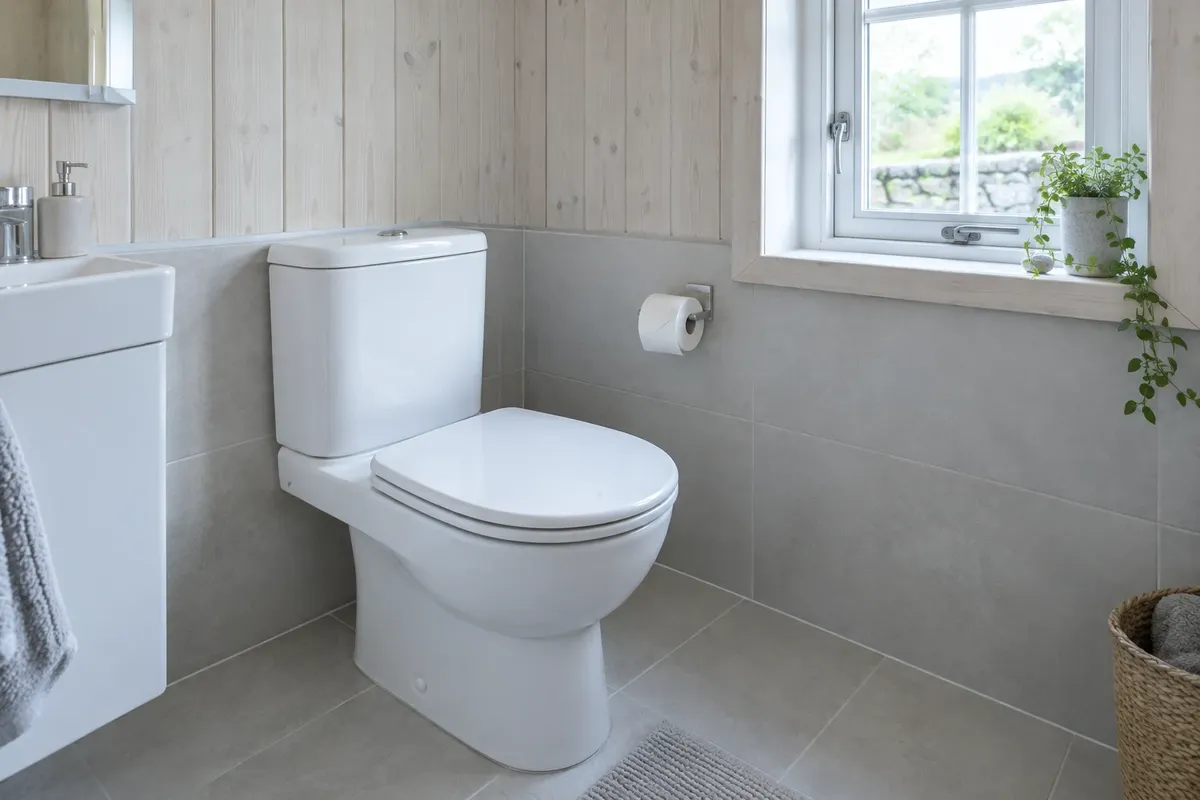
If there is pressurised water in the cottage, a flushing WC is the most comfortable. For a seasonal cottage, a close-coupled toilet with a tank on the bowl is more practical – the tank can be easily emptied for winter and is easily accessible. A wall-hung toilet with a module in the installation wall is cleaner, but thoroughly draining it is more difficult. We describe the differences in the article Wall-hung or close-coupled toilet, the type of waste in the article Rear or bottom waste.
If the WC is lower than the sewer or far from it, small pumps with a grinder are used. The manufacturer's instructions apply – what can go into them and how to protect them from frost. You can find close-coupled toilets in the e-shop under the category Standing WCs and close-coupled toilets.
Cesspit: what the law says
A cesspit is an underground watertight tank without an outlet – everything you flush into it must be removed. According to § 36 par. 4 of the Water Act (No. 364/2004 Coll.), anyone who collects wastewater in a cesspit is obliged to ensure its disposal and be able to prove it. Keep documents about the emptying – the municipality or state water authority may request them for the last 2 years. Anyone who cannot prove the emptying commits an offence under § 77. When commissioning a new cesspit, its watertightness must be documented.
When using a cesspit, it pays to save water: a WC with dual flushing and a small volume fills the cesspit more slowly. The decision on a domestic wastewater treatment plant depends on local conditions and permits – the solution will be proposed by the designer and assessed by the building authority.
Dry WC: composting and separation
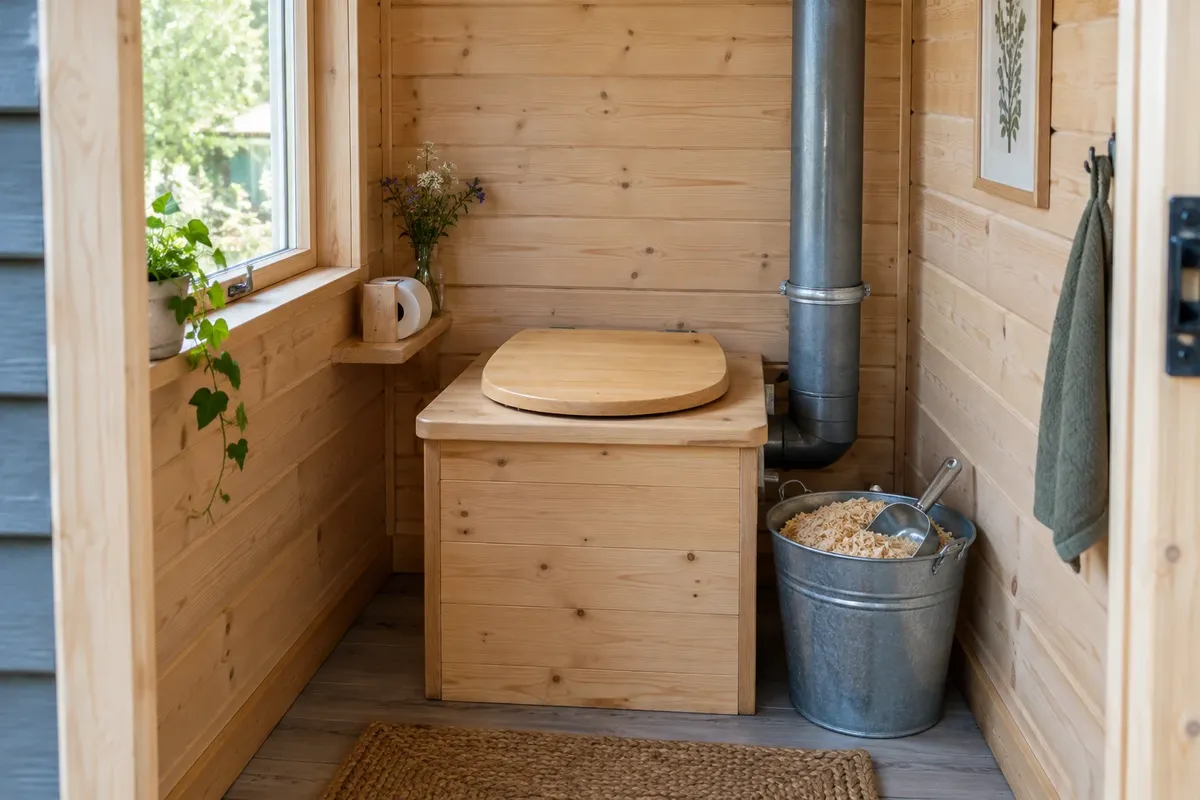
A dry WC does not need water or a connection. Solid waste is covered with dry material, such as sawdust, after each use, which binds moisture and dampens odour.
- Composting WC – everything goes into one container, which is emptied for composting.
- Separation WC – separates urine from solid waste. The solid part is drier according to manufacturers, smells less, and the container lasts longer.
- Ventilation – a dry WC needs ventilation, most often through a pipe above the roof or outside; some types have a small fan.
- Content – let the compost from the WC mature separately from the compost for vegetables. Follow the manufacturer's instructions and local regulations.
A dry WC does not freeze and does not require a cesspit. However, it does require regular emptying and adjustment.
Chemical WC
A portable chemical WC has an upper tank with water for flushing and a lower cartridge for waste, to which a deodorising agent is added. The cartridge is emptied into the sewer or designated places – never into nature or onto compost. Only pour it into a cesspit or domestic treatment plant if allowed by the agent and the treatment plant manufacturer. A chemical WC is suitable for the garden, for a cottage without water, or temporarily during renovations.
Where to place the WC and what to include
- Dry and ventilated space – a separate house or room with a window or ventilation opening.
- Light – even a small battery-operated light is handy at night.
- Handwashing – small sink, tank with a tap, or garden tap by the door.
- Floor – in an unheated space, frost-resistant floor tiles or washable surface.
- Distance from the well – place the cesspit, dry WC, and infiltration further from the well. Distances will be determined by the designer or building authority.
Check in advance with the local building authority whether you need to report or permit for a garden WC.
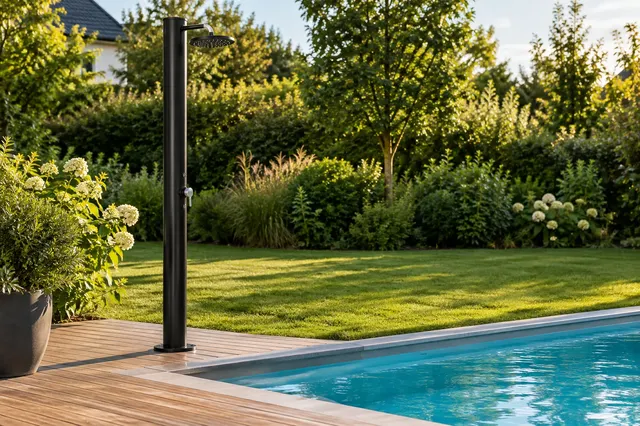
We describe the garden shower and sink on the exterior wall – water supply, drainage and winterization – in the article Outdoor shower and sink.
Frost and unheated cottage
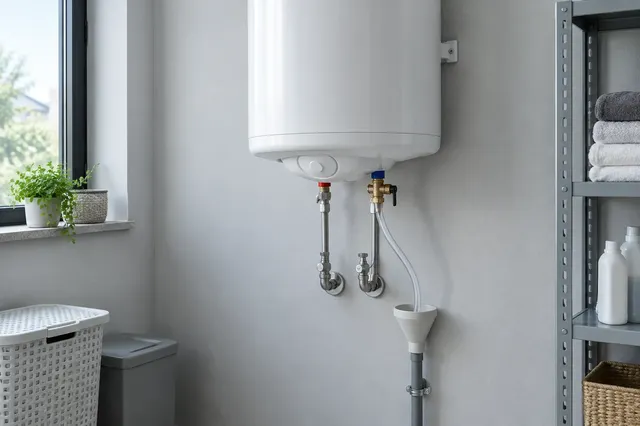
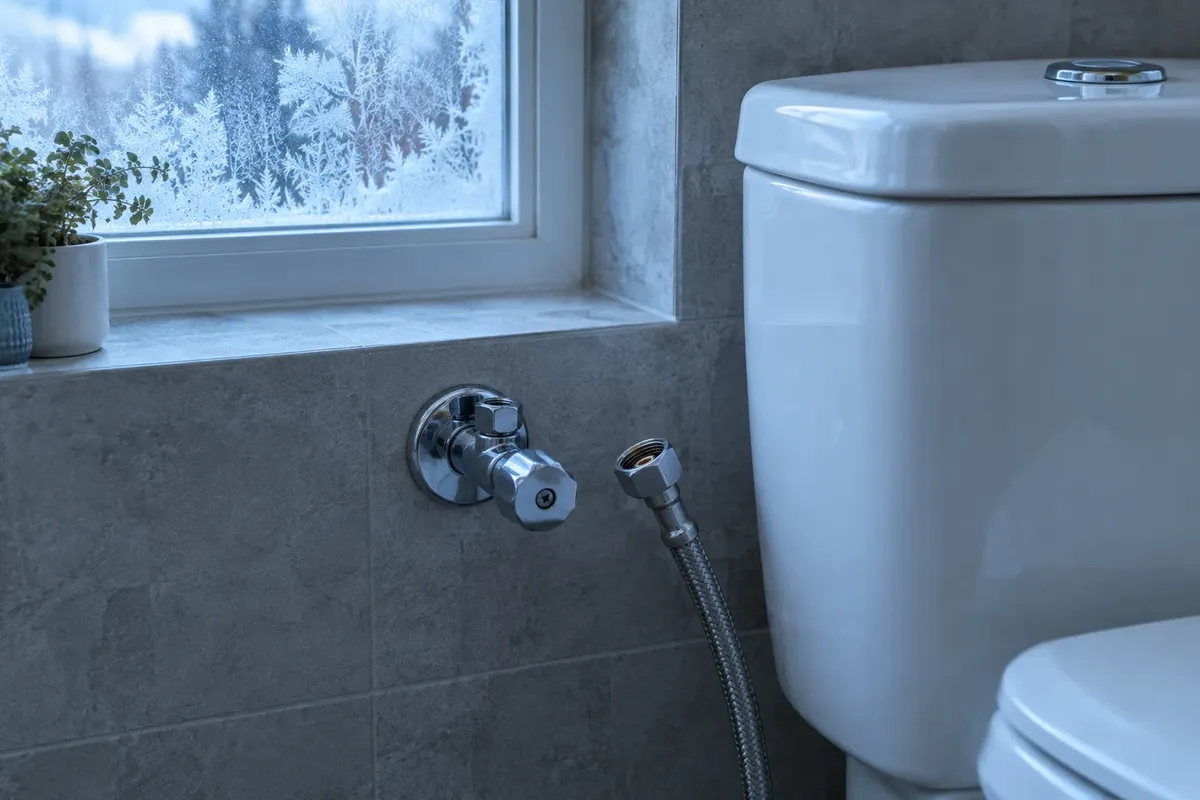
For a flushing WC in winter, close and drain the water supply, empty the tank, and drain the water in the bowl or replace it with a product designed for winterizing sanitary ware. Regular antifreeze for cars is not suitable for sanitary ware. Drain the boiler or heater according to the instructions – the procedure is in the article Boiler maintenance.
Common mistakes
- Flushing WC for a small cesspit without water-saving flush – the cesspit fills very quickly.
- Without documents for emptying the cesspit – a fine is at risk during inspection.
- Dry WC without ventilation – smells in the house and around it.
- Chemical WC poured into compost or into nature.
- Trapped water in the bowl and tank – frost can damage the ceramic.
Sources: Act No. 364/2004 Coll. on waters (§ 36 para. 4 – disposal of wastewater from septic tanks and documentation, § 77 – misdemeanours), instructions from manufacturers of dry and chemical toilets; our articles Bathroom in a cottage and holiday home, Wall-hung or close-coupled toilets and Boiler maintenance. Check permits and distances with the municipality and building authority.
Terms in the dictionary: Close-coupled toilet · Wall-hung toilet · Installation wall
Frequently Asked Questions
What WC for a cottage without sewerage?
Flushing WC with a cesspit or home treatment plant if you have water. Without water, dry composting or separating WC or portable chemical WC.
Do I need to document cesspit emptying?
Yes. According to § 36 para. 4 of Act No. 364/2004 Coll., you must ensure the disposal of wastewater from the cesspit and be able to prove it. Keep the documents – the inspector may request them for the last 2 years.
Does a dry WC smell?
With proper use, little – solid waste should always be covered with dry material, and the WC must be ventilated outside. A separating WC smells less because it separates urine.
Where to pour out chemical WC?
Into the sewer or designated places, such as disposal points in camps. Never into nature or onto compost.
Can the contents of a chemical WC go into a cesspit or treatment plant?
Only if permitted by the product used and, in the case of a treatment plant, also by its manufacturer. Biological treatment plants may be sensitive to chemical products.
Do I need a permit for a garden WC?
It depends on the building and location. Whether a notification is sufficient or a permit is required, check in advance with the local building office, and for the cesspit, also the conditions of its watertightness.
What flushing WC for a cottage with a cesspit?
WC with dual flush and low water volume – the cesspit fills more slowly. For a seasonal cottage, a practical close-coupled toilet, which can be easily emptied for winter.
How to protect a WC in a cottage from frost?
Shut off and drain the water supply, empty the tank and pump out the water in the bowl or replace it with a winterisation product for sanitary ware. Regular antifreeze for cars should not be used.
AI Advisor
Have a question on the topic? Ask the advisor – they will respond based on TGB Kúpeľne articles.
AI advisor – answers are generated by artificial intelligence from TGB Kúpeľne articles and may contain errors.
Bathroom design
These are tips. We will draw your bathroom for you.
In the 3D bathroom planner, you can design your bathroom yourself for free. We will prepare a custom visualisation with specific wall tiles for you in the studio – free of charge with your purchase.
Online design for free Custom visualisation
TGB Kúpeľne Studio · Bratislavská 71, Senec · Map