History and interesting facts
The history of the bathroom: from the baths in Mohenjo-Daro to the walk-in shower
The history of the bathroom stretches back to the baths in the Indus Valley, flushing toilets in Knossos, Roman baths, medieval baths, the first flush toilet, sewage systems, and umakart cores in panel buildings.
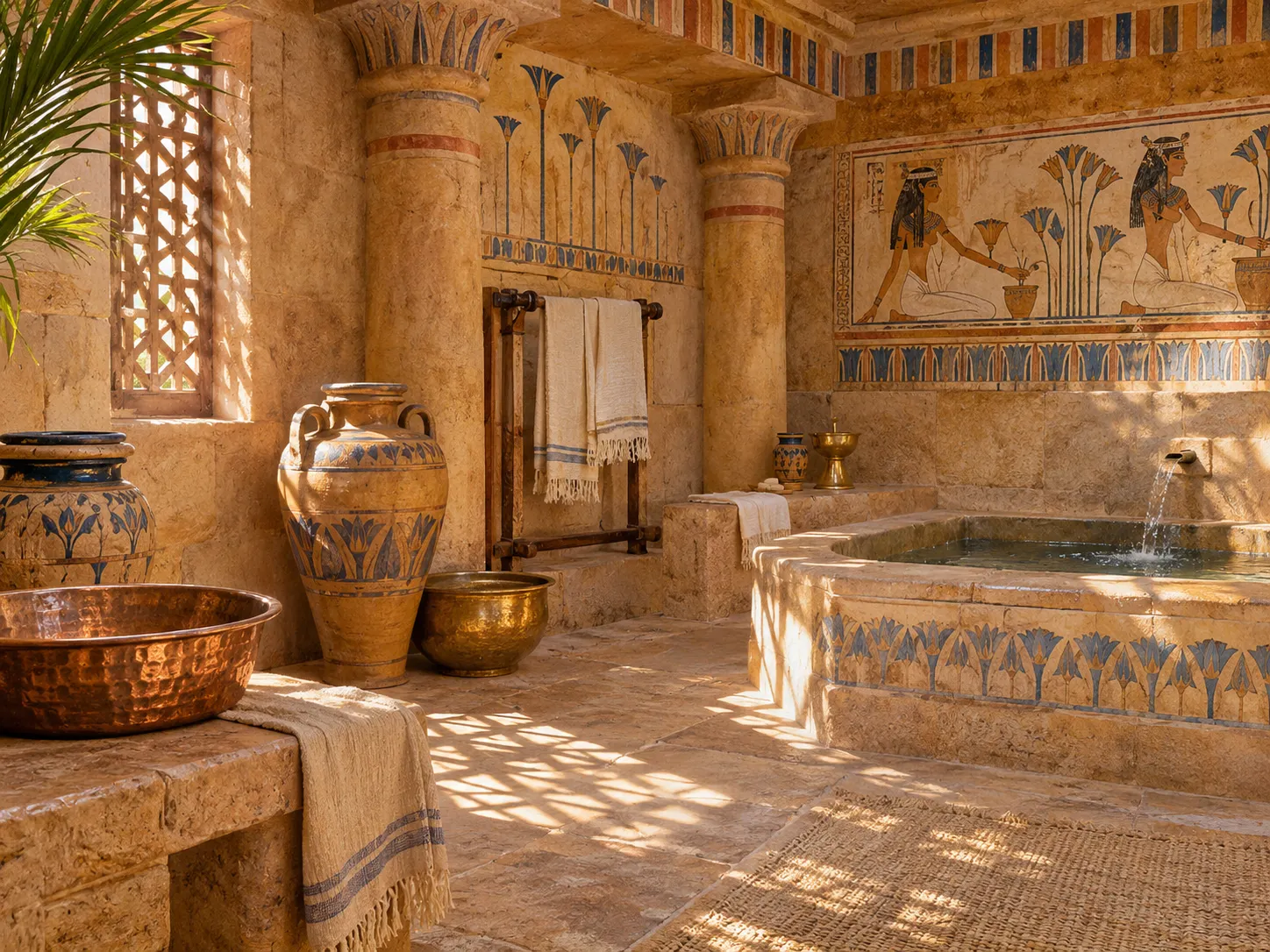
The bathroom, as we know it today – a separate room with running hot water, a bath or shower, and a flushing toilet – has been a feature of ordinary flats for the last hundred years or so. However, people have been washing and dealing with water drainage for thousands of years. Join us as we explore the history of the bathroom.
Indus Valley: bath and sewage 4 500 years ago
In the city of Mohenjo-Daro in present-day Pakistan, around 2500 BC, there was the so-called Great Bath – a waterproof pool made of fired bricks sealed with asphalt. Many houses had their own washing room with a floor made of hardened bricks and a drain leading to covered channels along the streets. It was an extraordinarily advanced system for its time.
Crete: clay pipes and flushing in the Palace of Knossos
The Minoan civilization in Crete built a palace in Knossos with a water supply system made of clay pipes, a terracotta bath, and drains that carried away both rainwater and used water. The flow of water was also used to flush the toilet – a principle that Europe would not return to for another three thousand years.
Rome: baths as a meeting place
The Romans turned bathing into a social event. Aqueducts brought large amounts of water into the cities, supplying public baths with hot, warm, and cold rooms (caldarium, tepidarium, frigidarium). Underfloor heating (hypocaust) warmed the floors, and the walls were decorated with marble and mosaics. The large sewer system Cloaca Maxima, which dates back to the 6th century BC, drained water from Rome into the Tiber. The mosaic we now place under sinks was already used by the Romans.
Middle Ages: public baths and tubs
After the fall of Rome, complex water systems were not maintained for centuries. In medieval cities, public baths operated where bathers (barbers) offered not only bathing but also haircuts, shaves, and bloodletting. At home, people bathed in wooden tubs filled with water heated over a fire. In castles, small niches protruding from the wall served as toilets, with everything dropping straight into the moat.
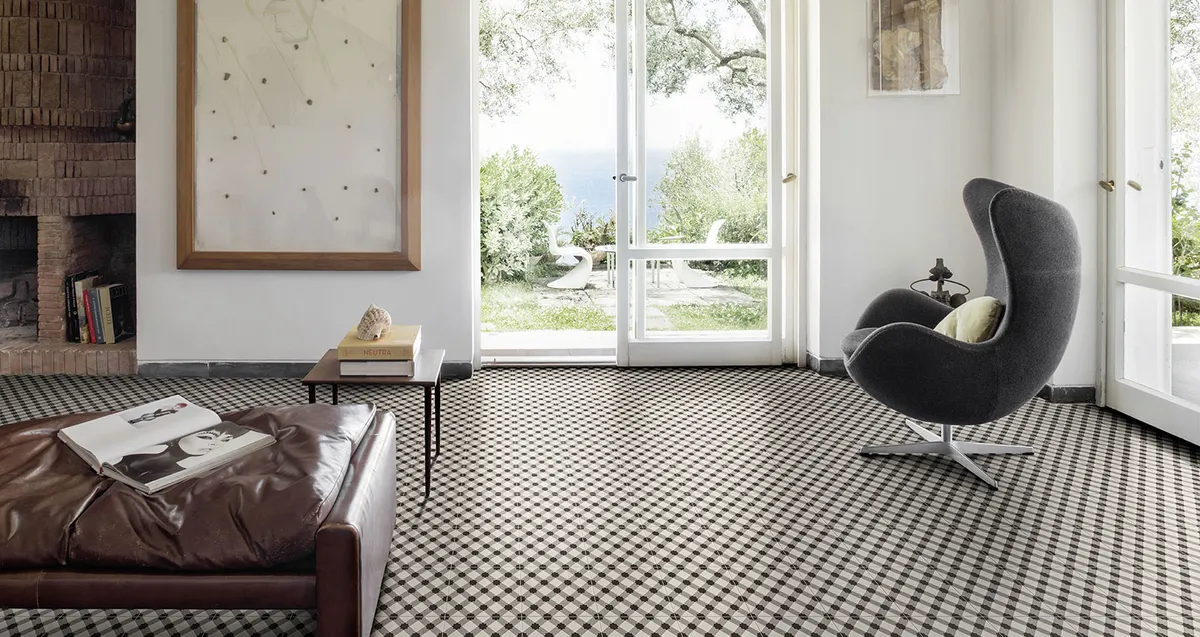
Flushing toilet and trap
In 1596, English courtier John Harington described a flushing toilet with a cistern, which he also built for Queen Elizabeth I. However, it did not gain widespread use. A crucial step came in 1775 when Alexander Cumming patented the S-shaped bend in pipes. The water that remains in it blocks the smell from the sewer. This same principle is still used in every waste trap under sinks and every toilet bowl today.
19 century: sewage, water supply and cast iron bath
The growth of cities and cholera epidemics showed that sewage systems were essential. After the so-called Great Stink in London in 1858, engineer Joseph Bazalgette began constructing a network of sewers that became a model for other cities. At the same time, water supply and hot water reached homes. By the end of the century, enamelled cast iron baths and flushing toilets began to be manufactured, which were popularised in ordinary households by manufacturers like London plumber Thomas Crapper. Contrary to popular legend, he was not the inventor of the toilet.
20 century: bathroom in every flat
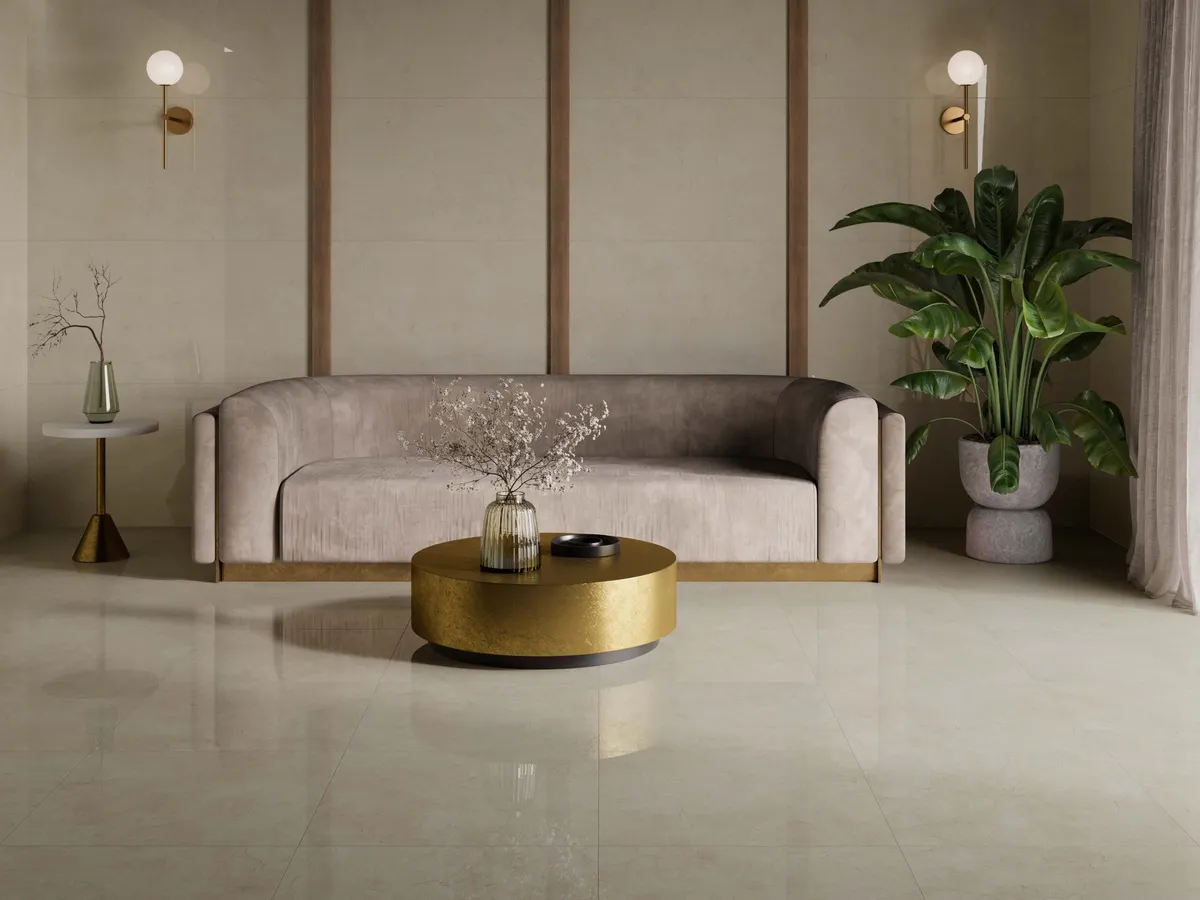
In the first half of the 20th century, bathrooms with toilets became standard in new flats. In Slovakia, many households became familiar with them in prefab blocks of flats: from the 1960s, prefabricated bathroom cores made of laminate were installed, which included a bath, sink, and often a toilet in just a few square metres. Many of these are still in use today. Replacing them with a brick core with tiles is one of the most common renovations we assist with.
Today: bathroom as a place for relaxation
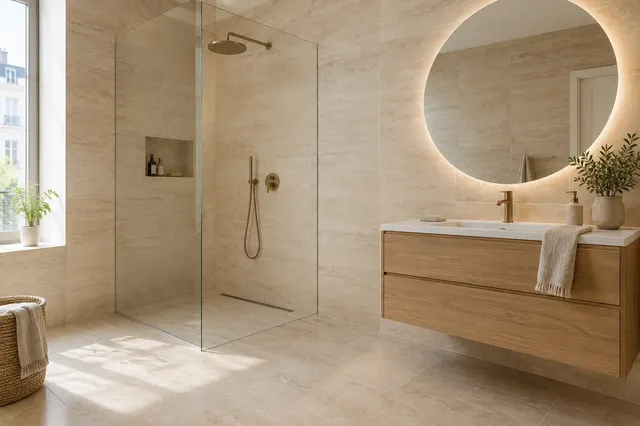
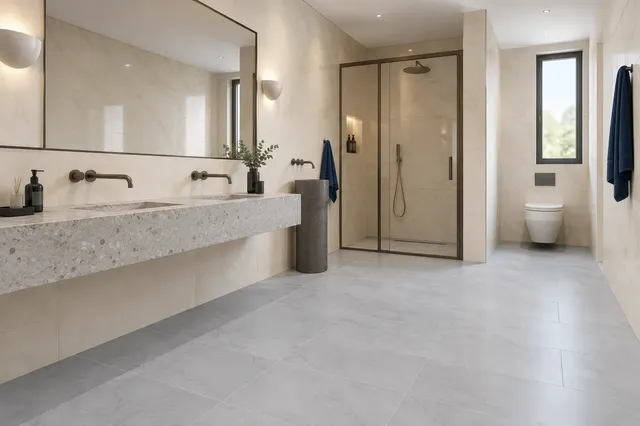
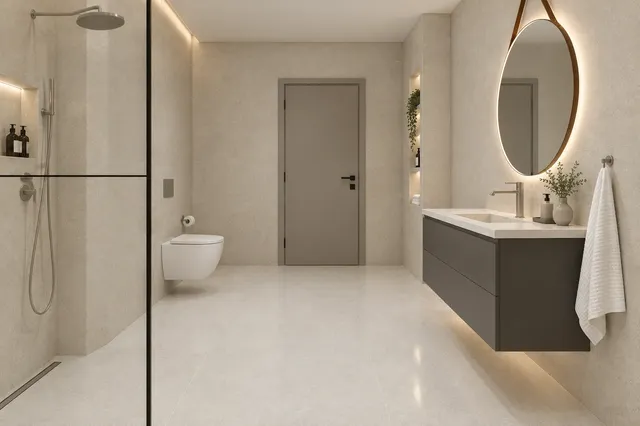
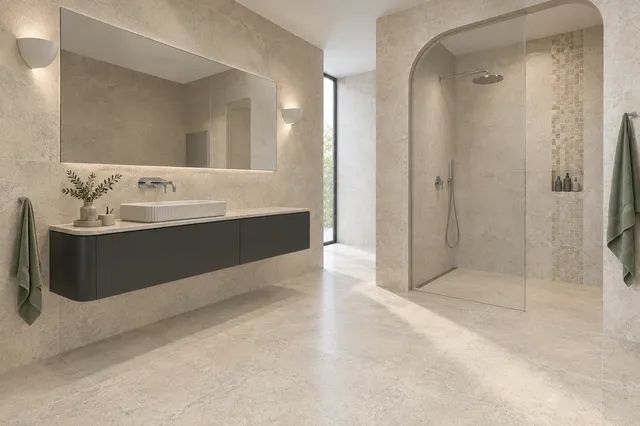
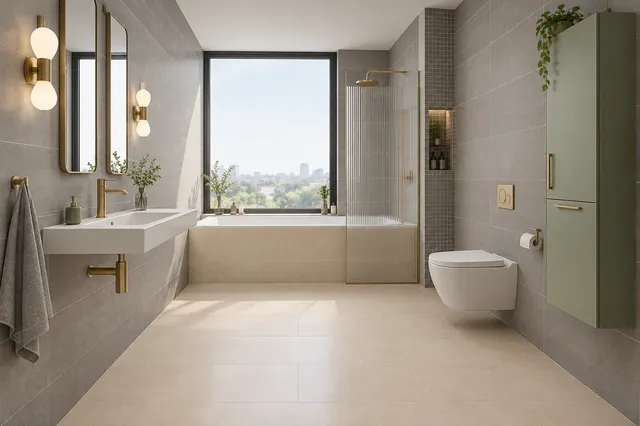
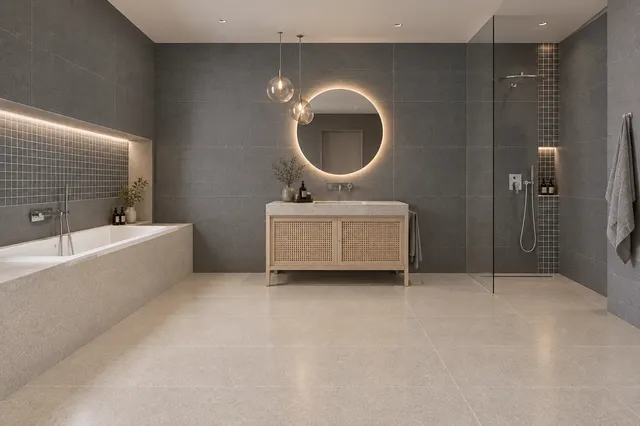
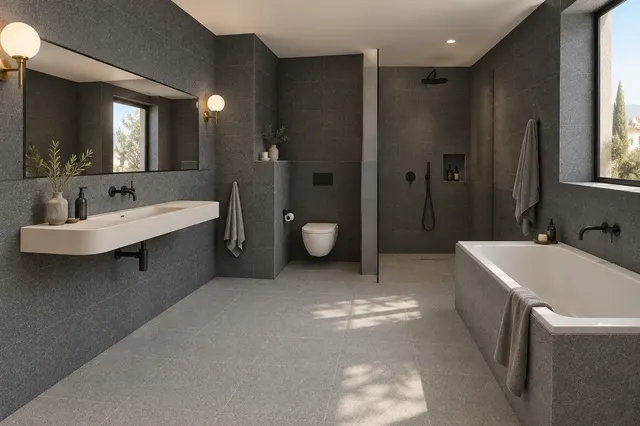
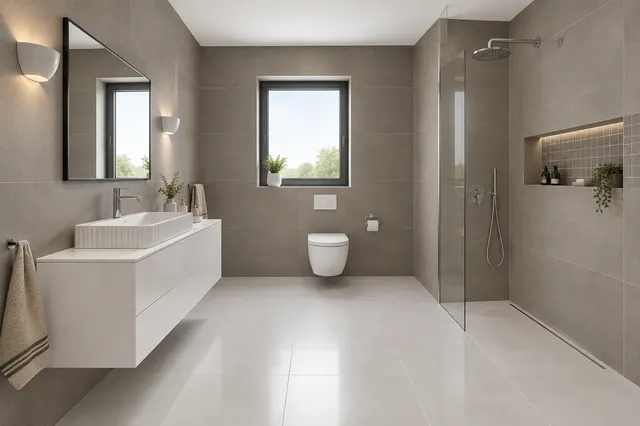
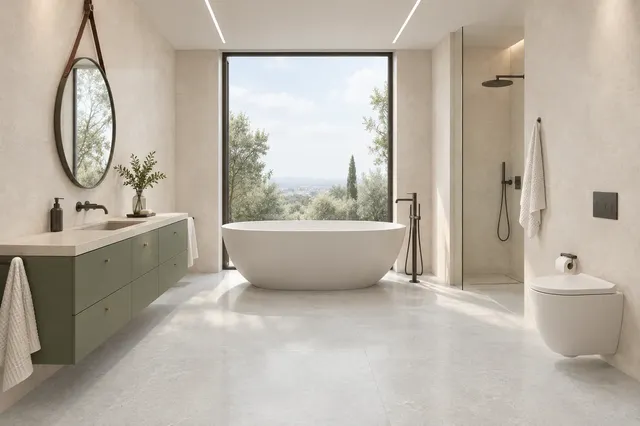
The modern bathroom is no longer just for washing. Level-access showers (walk-in), large-format tiles with minimal joints, underfloor heating, thermostatic mixers, and warm lighting transform it into a place for relaxation. Many contemporary elements have ancient roots: marble and mosaics adorned Roman baths, underfloor heating was known to the Romans, and the waste trap has been around for over 250 years.
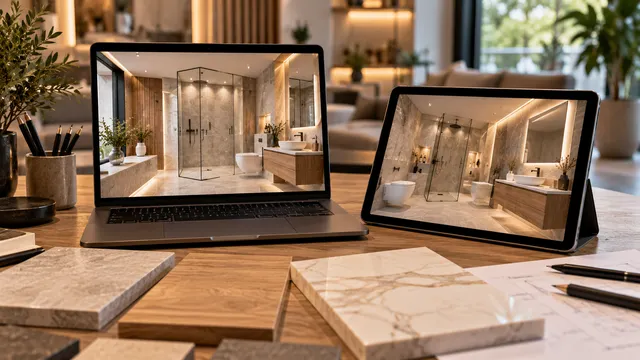
If you are planning your own bathroom, take a look at bathroom visualisations with tiles from various manufacturers or the article Bathroom renovation step by step.
Terms in the dictionary: Underfloor Heating · Waste Trap · Prefabricated Bathroom Core (fibreboard core) · Shower Tray · Walk-in Shower · Large-format Tiles
Frequently Asked Questions
Who invented the flushing toilet?
The first flushing toilet with a cistern was described in 1596 by the Englishman John Harington. An important invention, the S-shaped trap was patented by Alexander Cumming in 1775. Thomas Crapper popularised toilets in the 19th century, but he did not invent them.
Since when do people have bathrooms?
Washing rooms with drainage to the sewer existed in homes in Mohenjo-Daro in the Indus Valley about 2,500 years BC. The bathroom as a standard in every flat only became common in the 20th century.
What is a laminate core?
A prefabricated bathroom and toilet core made of laminate panels, which has been installed in prefab blocks of flats since the 1960s. Today, it is often replaced with a brick core with wall tiles.
AI Advisor
Have a question on the topic? Ask the advisor – they will respond based on TGB Kúpeľne articles.
AI advisor – answers are generated by artificial intelligence from TGB Kúpeľne articles and may contain errors.
Bathroom design
These are tips. We will draw your bathroom for you.
In the 3D bathroom planner, you can design your bathroom yourself – for free and without registration. If you want assurance, we will prepare a photorealistic custom visualisation based on actual dimensions and specific tiles in the studio. It's free with a purchase.
Online design for free Custom visualisation
TGB Kúpeľne Studio · Bratislavská 71, Senec · Mon–Fri 8:00–12:00 and 12:30–17:00, Sat 9:00–12:00 · Map