
Collection of tiles and slabs
Paradyž Modernizm
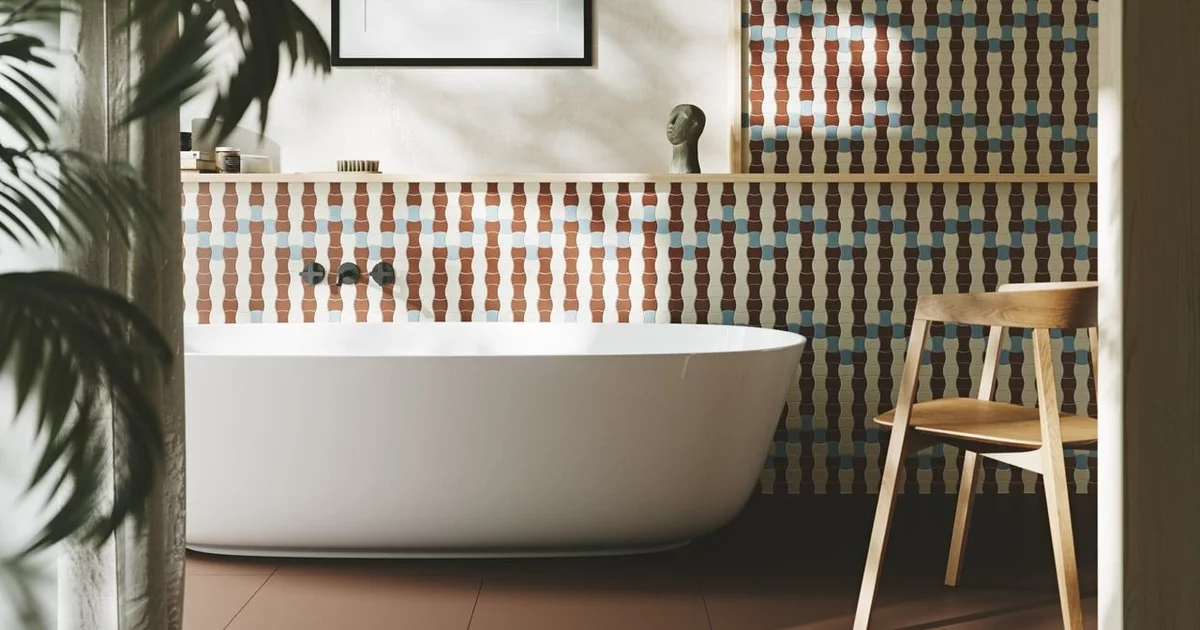
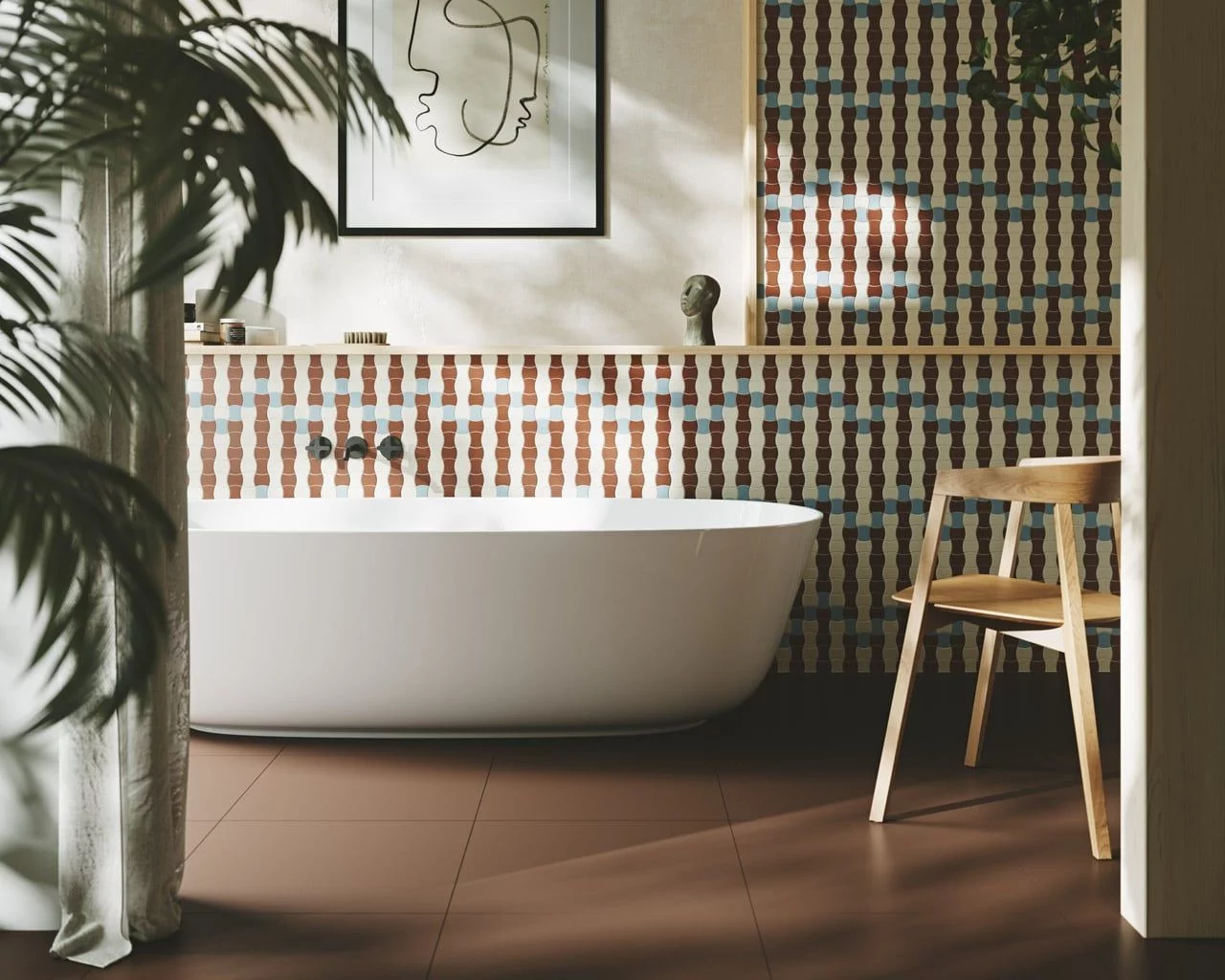
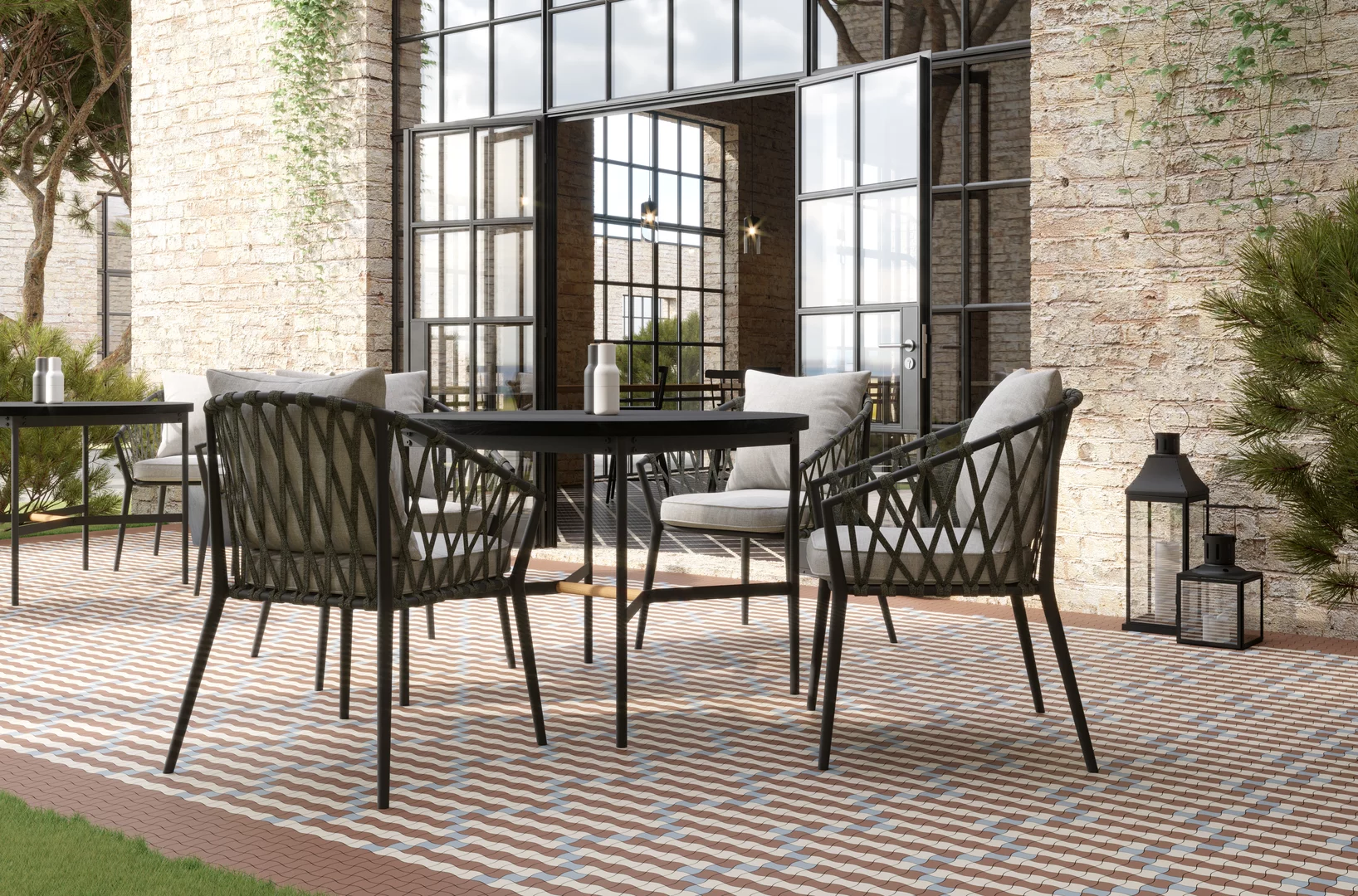
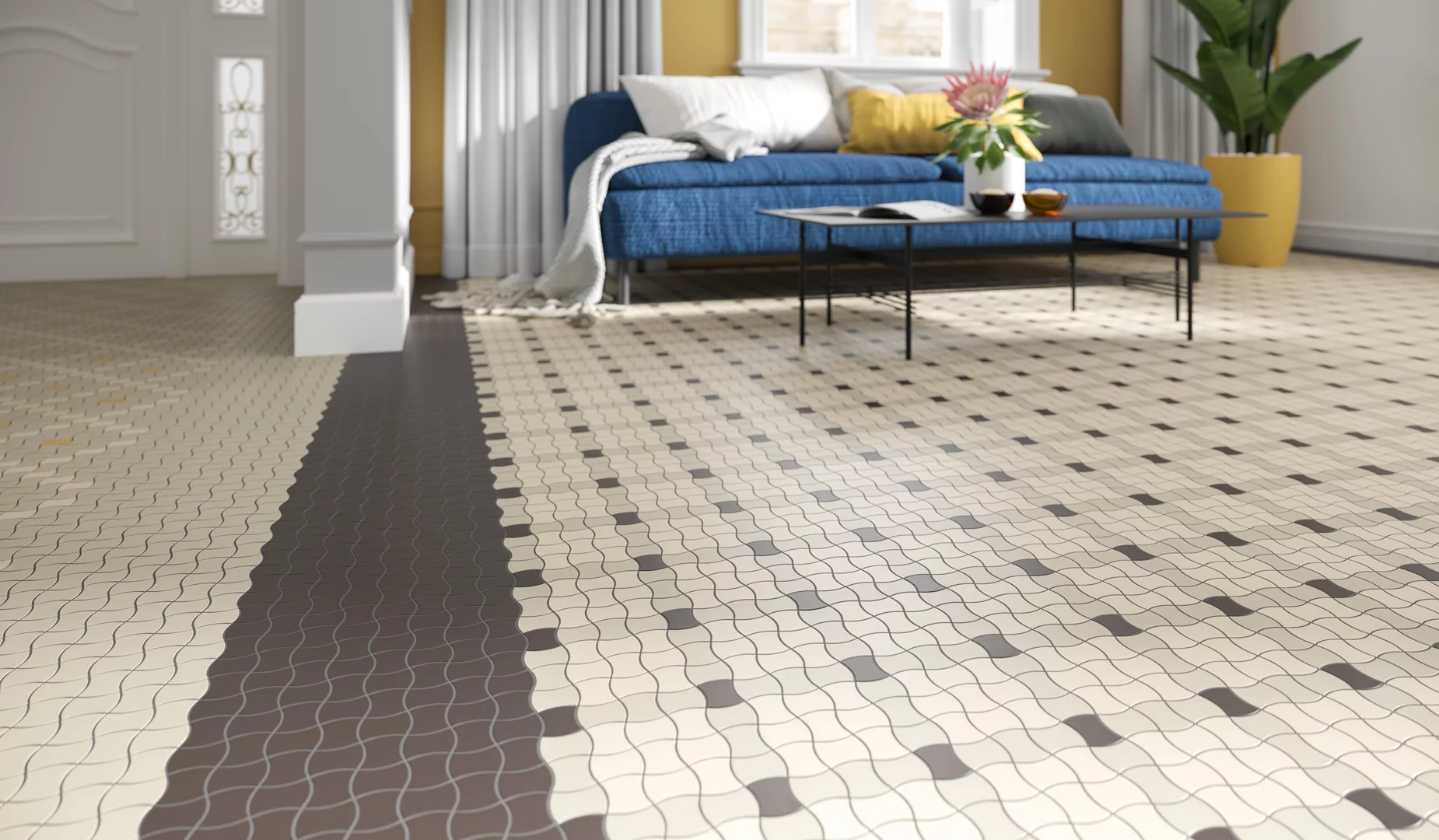
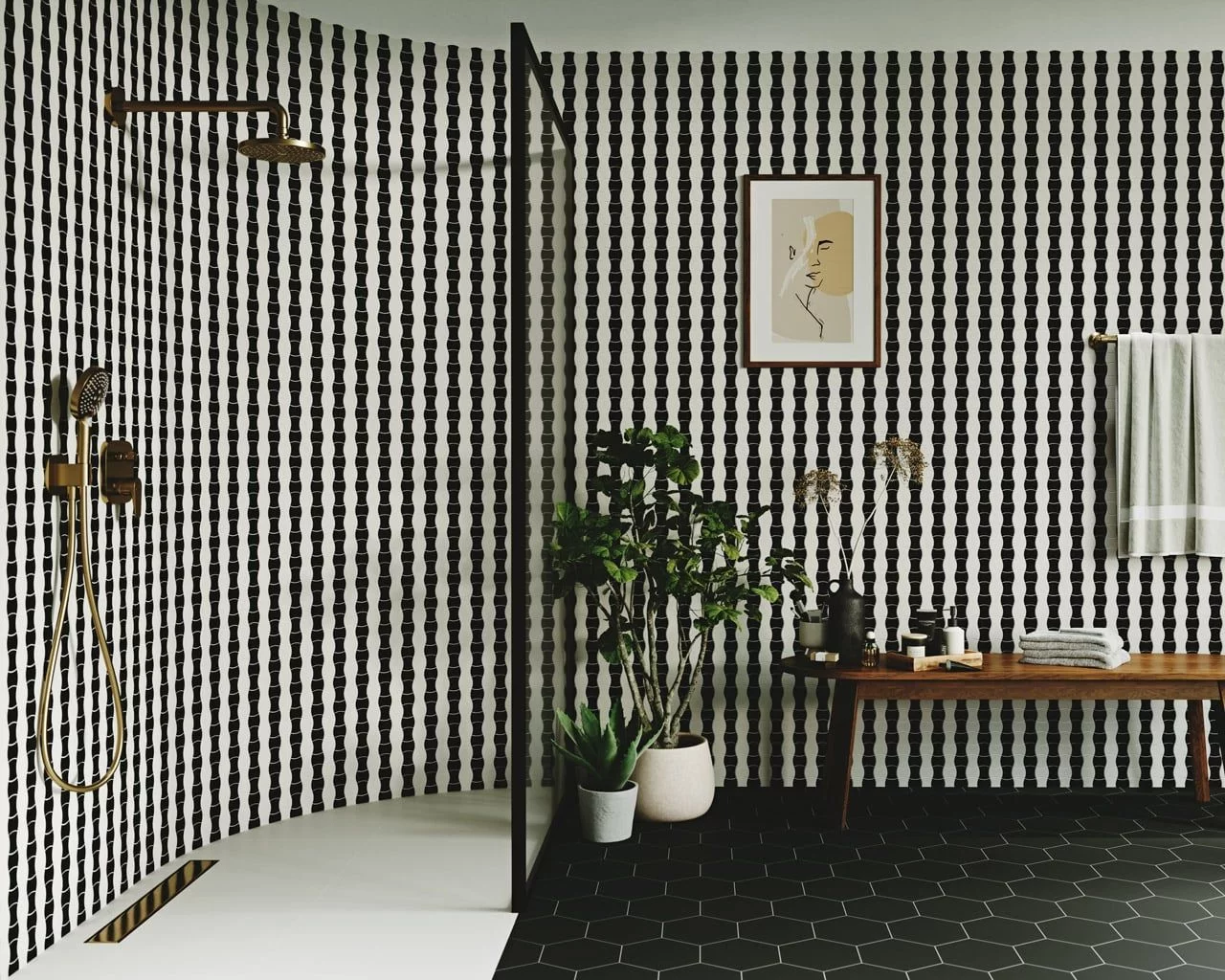
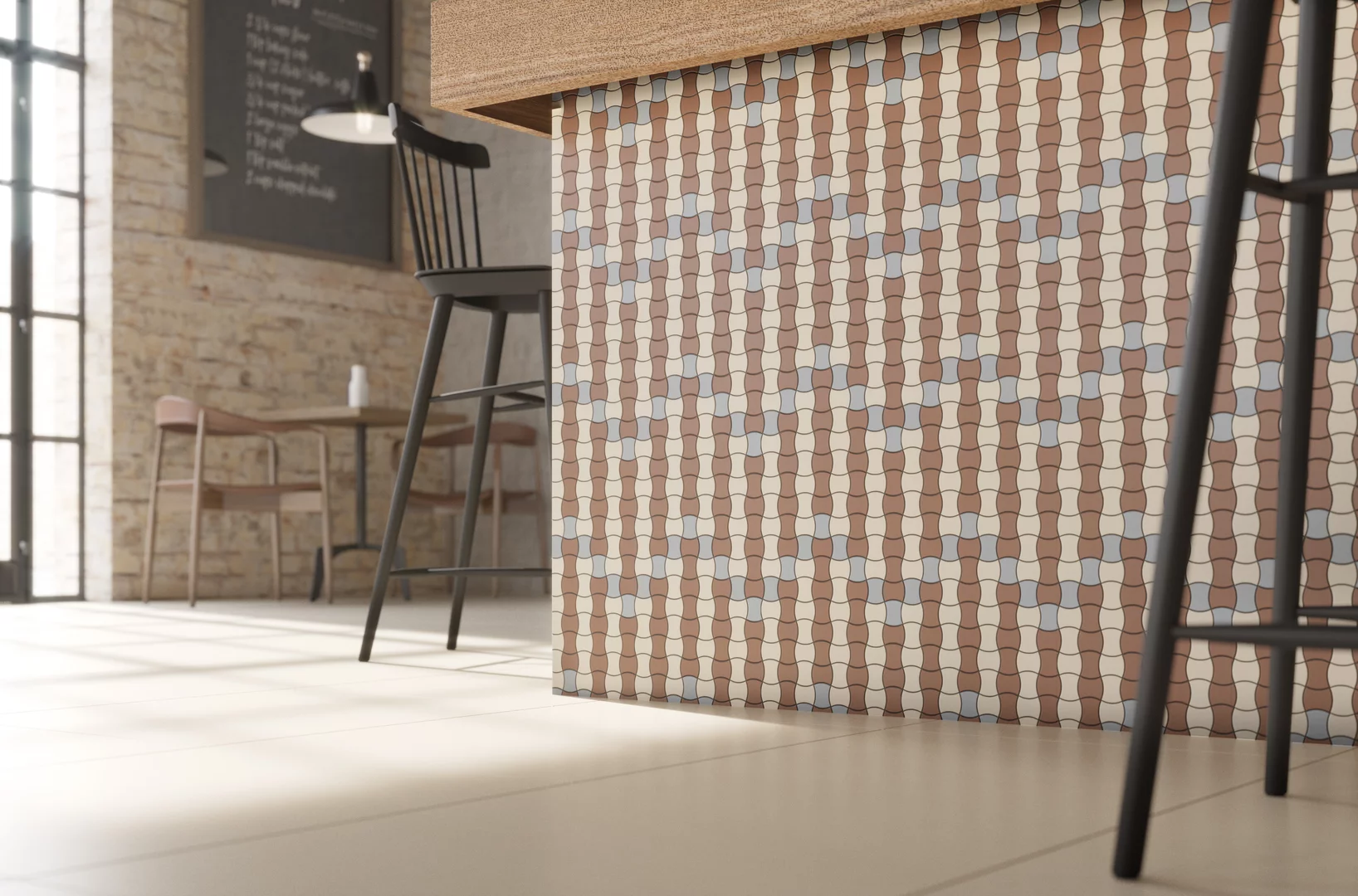
Photos of the Paradyż Modernizm collection from the manufacturer. Verify the actual shade and texture on a sample in the studio. Tap the photo to open it in full size, and tap again to zoom in on the details.
About the Paradyż Modernizm collection
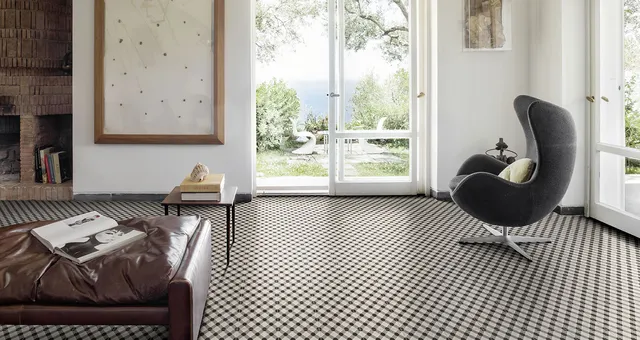
The Modernizm collection by Paradyż draws on the aesthetics of the 1920s and 1930s, offering a series of mosaics and larger tiles that combine historical charm with modern craftsmanship. The design was created in collaboration with Maja Ganszyniec and features a composition of small 'gorseciks' and larger square formats in five to six colours, suitable for bathrooms, public spaces, and residential interiors with an interest in retro details and precise execution.
What impression does the collection create?
Modernism is based on interwar patterns and an emphasis on detail. The combination of small squares with larger tiles creates rhythm and a graphic structure, introducing an element of architectural precision into the bathroom without excessive ornamentation.
The colours of the collection — black, grey, white, warm terracotta tones, and cool blue shades — allow for either a muted, neutral expression or interesting contrasts. This gives the collection a simultaneously historical and contemporary feel.
What type of bathroom is it suitable for?
Modernism suits a bathroom where you want to combine graphic elements and clean lines with a hint of retro. Smaller mosaics are ideal for filling in lines, wall tiles around the sink, or an accent wall, while larger formats shine on the floor or as the main wall covering.
In smaller bathrooms, I recommend using a lighter shade and a larger format for the floor to create a more spacious feel; in larger interiors or public spaces, you can intentionally work with contrasts and decorative strips of mosaics.
Formats, surfaces, and colours
The collection includes small squares (36×44 mm), classic squares (48×48 mm), and larger slabs (598×598 mm). I received these dimensions directly from the materials; any further variants or surface specifications should be verified with the retailer.
Five to six colour variants (black, grey, white, warm terracotta tones, and blue) offer a wide range of living options in both historical and modern styles. When choosing a colour, consider the overall colour palette of the bathroom and accessories.
How to combine the collection
Two basic strategies work effectively: unified tone and contrast. For a unified tone, use the same shade in different formats — small mosaics as decoration complemented by a large format in the same colour will create a sleek appearance.
If you want a more pronounced effect, combine, for example, black and white elements or terracotta with a blue shade. Small squares can serve as edging for the shower tray, a skirting board at the floor, or a frame around the mirror; I recommend using larger 598×598 mm tiles on large surfaces for fewer joints and optical order.
Installation and maintenance
When working with small mosaics, pay attention to the accuracy of horizontal and vertical lines — small deviations are visible on the fine grid. At the same time, combining with large formats requires planning the rhythm of the joints and matching the height of the tiles.
Maintenance depends on the material of the surface itself; regular cleaning with a mild detergent and avoiding abrasive products will prolong the attractive appearance. When laying tiles outdoors or on floors with increased load, check the suitability of the tiles for the intended use with the retailer.
Frequently Asked Questions
Are small mosaics suitable for bathroom floors?
Yes, small mosaics are common on floors, especially in smaller areas of the bathroom and in the shower enclosure, as the number of joints increases slip resistance. Check the strength and anti-slip properties of the specific product.
How to match the colour of wall tiles with Modernizm floor tiles?
You can either choose the same shade for a clean, uniform look, or select a contrasting pair (e.g., black-white or brick-blue) and place the contrast in accent zones like stripes or the wall behind the sink.
How to plan joints when combining small and large formats?
Plan so that the joints at the boundaries of formats logically align. It’s wise to first lay the tiles dry or use templates so you can adjust the rhythm without unnecessary cutting.
A trusted brand in TGB's offering. Delivery times will be confirmed based on availability from the supplier.
Other collections by Paradyż
All
Similar bathrooms
All: Marble
Articles on this topic
All tips and advice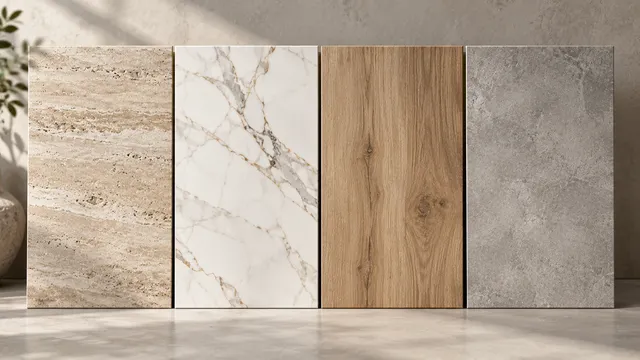 Wall and floor tiles
Imitations of travertine, marble, wood, and concrete: which suits your bathroom
Comparison of the most popular tile designs for bathrooms: travertine, marble, wood, concrete and stone. What impression do they create and what to…
 Wall and floor tiles
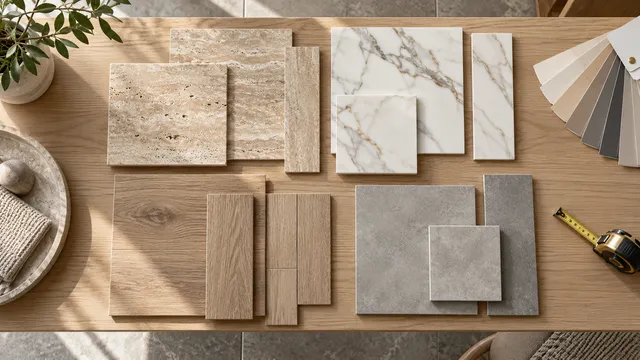
Tiles and floor tiles for bathrooms: how to choose (tips + photos)
Tiles and flooring for the bathroom: porcelain or stoneware, format and colour, matte or glossy tiles, where to place what, slip resistance, joints, and reserves. With…
 Small bathrooms
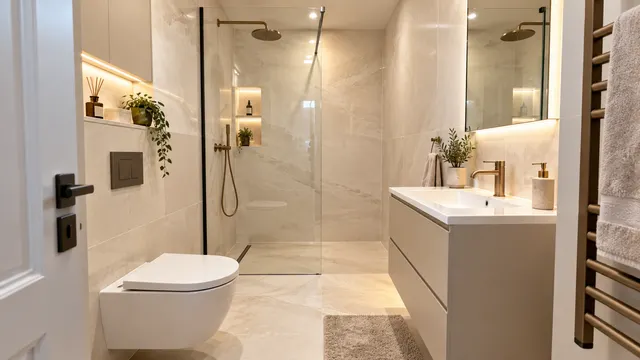
Small bathroom: ideas, tiles and solutions (with photos)
Small bathroom: which tiles and format to choose, shower cubicle or bath, where to put the washing machine, attic and panel building. 10 ways to visually enlarge it.